Wines With Attitude red logo

Wines With Attitude

Albariño : the grape & wines

Many white wine drinkers reach instinctively for familiar favourites like Sauvignon Blanc, Chardonnay, or Pinot Grigio. There is nothing wrong with any of these well-known varieties but looking further afield there is a world of exciting alternative white wines. None of these alternatives is more refreshing, versatile and food-friendly than Albariño (pronounced phonetically as Alba-reen-yo). If you’re looking to expand your palate and discover a white wine that balances elegance with vibrancy, Albariño may be exactly what you are missing. In my opinion, Albariño, especially from the Rías Baixas DO, is one of the best Spanish (and Portuguese) still white wines today.

In this comprehensive guide, I’ll explore everything you need to know about the Albariño grape and its wines — from its origins and flavour profile to food pairings and buying tips—so that you can skip the Sauvignon, Chardonnay and Pinot shelves and find a great bottle of this delicious wine instead.

The Albariño grape and its Origins

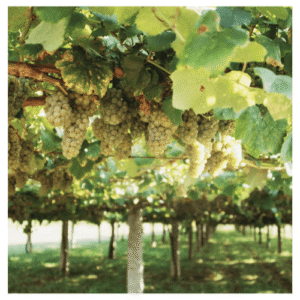
Albarino grapes hanging on a vine

Albariño’s story begins in north-western Spain and northern Portugal. There is some debate as to whether this white grape variety is originally Portuguese or Spanish but it certainly originated in that top left hand corner of the Iberian Peninsula, either from North East Portugal or Galicia in North West Spain. This unique environment, a lush green region is characterised by heavy rainfall, granite soils and the influence of the Atlantic Ocean and these play a crucial role in shaping the grape’s characteristics.

For many years Albariño remained local, the grape grown mainly in Spain and Portugal and the wine enjoyed primarily in those countries. The grape is known as Alvarinho in Portugal. I use the Spanish spelling simply because Spain grows the most Albariño these days.

As global wine markets evolved and consumers began seeking new experiences, Albariño has become one of Spain’s most exciting wine exports.
Where to find Albariño vines

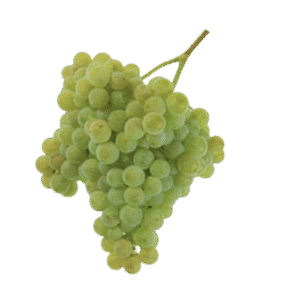
Bunch of Albarino grapesThis grape variety does not feature in the list of the top 30 most planted white grapes in the world so it is fairly niche. It thrives in cool, coastal climates like the Rías Baixas region of Galicia where the relatively cool climate, ocean breezes and mineral-rich soils contribute to its distinctive character. The grape’s thick skins help to develop the intensity and range of aromas and flavours in its wines.

Galicia produces the most Albariño and 96% of vines in this region are Albariño – and, in my opinion, it is this region which currently produces the best examples of varietal Albariño. This may be due to the fact that there are apparently vines over 200 years old in Galicia. Today this grape is widely regarded as one of the finest white grape varieties in the Iberian Peninsula and it is increasingly being grown further afield, for example in places like Australia and California. But beware…

In Australia winemakers have long been experimenting with different varieties and finding the best match between grape variety and terroir. However, due to an error in the labelling of various vines sent from Spain to Australia many years ago it is thought that much of Australia’s Albariño is in fact a grape called Savagnin Blanc (not to be confused with Sauvignon Blanc) – whoops!

The USA, New Zealand and Uruguay also grow Albariño however the number of Albariño vines outside Spain and Portugal account for a tiny proportion of total production. Often described as a hidden gem of the wine world, what cannot be denied is that Albariño has gained international recognition in recent years thanks to its crisp acidity, aromatic intensity, and exceptional drinkability. For wine lovers seeking something refreshing yet complex, Albariño delivers on all fronts.


Albariño Wine Characteristics

Albariño is widely regarded as an aromatic grape variety but the term “aromatic” can, I think, put lovers of crisp white wines off. It shouldn’t because most well-made Albariño manages to combine lovely fruity aromas and flavours with a light or light-medium body, crisp minerality and fresh, mouth-watering acidity. Intensity and the range of aromas and flavours arise from the thick skins of the grapes, as mentioned earlier, but also from keeping the wine on its the lees during fermentation, as often happens.

Albariño in general produces light, crisp dry white wines with lovely fragrances and flavours. It is usually not oaked and only really blended with other grapes in Portugal’s Vinho Verde. Another exception is the amazing Terras Gauda La Mar which is a blend of Albariño with another indigenous and even less well-known grape variety, Caíño Branco.

At its worst, when produced in a commercial style which is easily done in warm regions as the Albariño vine is quite prolific, it can have a very one-dimensional peach flavour but a well-made Albariño wine from lower-yielding vines will display the following characteristics.

Aroma & Bouquet of Albariño

Albariño wines are usually highly aromatic, often bursting with concentrated fruit and saline scents. Common aromas include:

  • Citrus fruits like lemon, lime and grapefruit
  • Stone fruits like peach, melon and apricot
  • Floral notes like orange blossom and jasmine
  • Subtle saline notes

These aromas make Albariño particularly appealing to those who enjoy expressive, fragrant wines.


Flavour profile of Albariño

On the palate, Albariño is known for its crisp, clean, and refreshing style. Key flavour characteristics include:

  • Bright acidity that enlivens the palate
  • Juicy orchard fruit flavours – green apples, peaches, apricots with melon and citrus fruits especially lime
  • Hints of spice and almonds
  • A hint of minerality, often described as “wet stone”
  • Occasional saline notes that reflect its coastal origins

Texture, alcohol and finish of Albariño

It is a common misconception that Albariño is a heavy white wine. In fact it is typically light- to medium-bodied despite its complex and sometimes intense flavours and usually has low-ish alcohol levels of c. 12%.

One of Albariño’s best features is its smooth yet lively texture. While it delivers refreshing acidity, it often also has a slightly rounded mouthfeel, which prevents it from tasting too sharp.

The finish is usually clean, crisp, and lingering.

Other styles of Albariño

Vinho verde deserves a special mention. Produced in Portugal, it is generally white, very light, low alcohol (sub 11.5%), spritzy wine. The spritz, for which vinho verde is known, was traditionally a by-product of the secondary fermentation but now the carbon dioxide is injected. Seeing Albariño’s popularity some Vinho Verde producers are using more Alvarinho in their blend; others are experimenting with single variety Alvarinho wine.

There are even some producers who have moved into sparkling Albariño wine production.

When to drink Albariño

Albariño wine is not generally produced for keeping. It is produced for drinking relatively young, at 3 to 4 years of age though well-made Albariño can keep longer. Some producers are experimenting with oak which would provide a structure more suited to ageing.

Perfect food pairings with Albariño

Given its lovely acidity Albariño can be consumed without food, as an aperitif or at a get-together with friends. But one of its greatest strengths is its ability to pair beautifully with a variety of foods. Thanks to its acidity and subtle salinity, it is particularly well-suited to seafood—but its versatility extends far beyond that. Itworks especially well with:

Seafood and Shellfish: Albariño is famously known as a “seafood wine” and for good reason. It pairs exceptionally well with:

  • Oysters
  • Mussels
  • Clams
  • Grilled fish
  • Prawns and shrimp
  • Oily fish
  • In fact, most fish dishes including fish served in Mediterranean tomato-based sauces

The wine’s crisp acidity and saline notes enhance the natural flavours of the sea, creating a particularly harmonious pairing.
Light Poultry and Salads

Albariño also complements lighter dishes such as:

  • Grilled chicken
  • Fresh salads with citrus dressing
  • Herb-roasted vegetables.

Its freshness and aromatic helps balance lighter flavours while adding a touch of complexity.

Spicy and Asian Cuisine

Surprisingly, Albariño works well with mildly spicy dishes, including:

  • Thai curries
  • Vietnamese cuisine
  • Tagines
  • Sushi and sashimi

Its acidity cuts through spice while its fruitiness provides a cooling contrast.


Cheese Pairings

Albariño pairs best with softer, fresher cheeses such as:

  • Goat cheese
  • Mozzarella
  • Feta

These cheeses highlight the wine’s bright and tangy qualities.

Remember my top food-matching tip is to match the intensity of the a dish with the body of a wine. Therefore the relatively complex and intense Albariño can cope with quite strongly flavoured dishes.

How to serve Albariño

To enjoy Albariño at its best, serve chilled, ideally between 8 and 10°C. Avoid over-chilling as the wine’s aromas and flavours can be muted if the wine is too cold.

Decanting is generally not necessary, though allowing the wine to breathe briefly can enhance aromas and flavours.

Tips on buying Albariño

Albariño is becoming increasingly available in wine shops, supermarkets, and online retailers. When shopping, look for:

  • Wines labelled “Rías Baixas” (the source of the best Albariño wines in my opinion) like the beautiful Sal da Terra Albariño Rías Baixas
  • Relatively recent vintages for maximum freshness
  • Reputable producers known for consistent quality

Don’t hesitate to ask a wine merchant such as Wines With Attitude for recommendations—they can often point you toward excellent options based on your taste preferences.

Why drink Albariño?

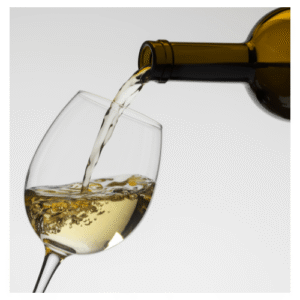
Glass of white wine being poured from a botttle

You should try Albariño if you are a fan of

  • aromatic wines like Soave, Viognier, Pinot Gris and Grüner-Veltliner

but also if you like

  • crisp light wines like Sauvignon Blanc, Arneis and Grechetto.

As mentioned earlier I am often torn between Aromatic Whites and Crisp Light Whites when categorising Albariño wines. It is multi-facted. Whether you’re hosting a dinner party, enjoying a summer afternoon, or simply looking for a new favourite white wine, Albariño offers something truly special. And here are several reasons why you should try it, especially if you haven’t tried it before:

  • It is refreshing and easy to enjoy. In an era where consumers increasingly favour lighter, fresher wines, Albariño fits perfectly. Its zesty acidity and bright fruit flavours make it an excellent choice for casual drinking, especially in warmer weather.

  • It is very food-friendly. Albariño is one of the most versatile white wines when it comes to food pairing. Its balance of acidity and fruit allows it to complement a wide range of dishes without overpowering them.

  • It is a unique alternative to popular whites. If you’re tired of the same go-to wines, Albariño offers a refreshing change. It shares some similarities with Sauvignon Blanc but typically has more texture and a softer, less aggressively herbal profile.

  • It can be excellent value for money. Compared to many premium white wines, Albariño often delivers exceptional quality at a relatively accessible price point. This makes it an attractive option for both everyday drinking and special occasions. And as the Albariño grape is becoming better known, indeed positively fashionable, it is likely to go up in price however it can currently represent very good value for the quality.

All in all, Albariño’s combination of vibrant acidity, aromatic complexity, and food-friendly nature makes it a standout choice for both newcomers and seasoned wine enthusiasts.

Cheers!

I am passionate about good quality wine and set up Wines With Attitude to share that passion with other wine lovers. If you’re feeling sociable why not follow me on social media or share my blog with others?

independent producers

personally chosen

especially for you

07349 886389

hello@wineswithattitude.co.uk

Love wine?

Sign up to my newsletter to receive exclusive offers and learn more about Wines With Attitude

You have been successfully Subscribed! Ops! Something went wrong, please try again.

© 2014-2026 Wines with Attitude Ltd | VAT Reg. No. 181 2419 22 | Registered in England 08918466 | Fiveways, 57-59 Hatfield Road, Potters Bar, Herts, EN6 1HS