No products in the basket.
It is important to differentiate between organic wine and organic grapes because a wine can be made from organic grapes but the wine itself may not be organic. How so?
 Wine produced with organic grapes but not itself organic will be labelled “wine made from organic grapes”. The organic practices required in the production of wine made from organic grapes are limited to the vineyard so for example there are strict limits on the use of chemical pesticides and fertilisers but the winemaker will have more freedom in what he or she can add to, or take out of, the wine during the wine production process. For example, he or she may chose to add sorbic acid to wine made from organic grapes albeit amounts are limited by the EU; this substance may be used to prevent yeast fermentation in the bottle but the practice is frowned upon by more reputable winemakers as the issue can be prevented by careful filtration and good hygiene. In addition most people can detect sorbic acid at levels of 135mg per litre whilst EU limits are above that at 200mg per litre.
The organic wine industry first gained some traction in the 1970s but has had a chequered history until relatively recently. In fact as mentioned earlier it was only in 2012 that the EU came up with a written definition of organic wine, after the USA, Chile, Australia and South Africa had already set their own organic wine regulations and standards. And whilst there is an ever-increasing number of people buying organic food, sales of organic wine are not increasing at the same pace. I am asked more about vegan wine than organic wine.
One of the problems for organic wine is its definition. There is no worldwide standard for organic wine as we have seen. There is added confusion from the often interchangeable but incorrect use of the terms “organic”, “bio-dynamic”, “natural” and “raw” wines (read more about biodynamic wine). And in the early days of organic wine there was also a problem with rapid deterioration in some low sulphite wines which did not help the reputation. Fortunately winemakers have improved their techniques and management of sulphites so that this is rarely a problem now.
There was also resistance from within the industry which perhaps saw organic wine as a threat to the norm and there was a more general lack of belief that more naturally produced wines were of a higher quality as was and is still claimed.
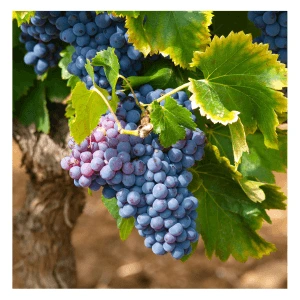
The EU’s Organic Farming website gives the following definition of organic grapes: “Organic grapes are grown on vines in soils, managed in harmony with nature, containing large numbers of earthworms, beetles and other organisms. The grape varieties chosen are adapted to local conditions and as resistant to disease as possible. From these organic grapes local wineries and chateaux produce high quality and rich wines.”
And according to the EU, organic farming relates to “agricultural production systems that seek to provide the consumer with fresh, tasty and authentic food while respecting natural life-cycle systems…”.
To go back to the question at the beginning whether it is worth buying organic wine, it depends…
As regular readers of my wine blog posts and followers of Wines With Attitude will know that I like wines from smaller, artisanal producers who practise minimal intervention and let the wines speak for the terroir, the vintage and the condition of the grapes – see my blog post on terroir for more information. This usually means that these producers: