No products in the basket.
5% discount when you buy 12 bottles of the same wine!
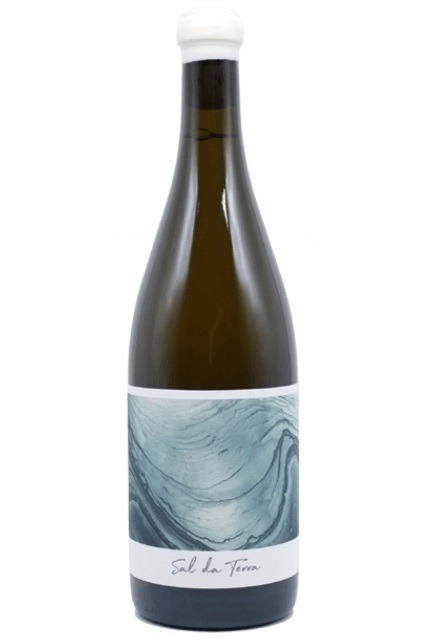
Fragrant dry white wine from Rías Baixas in Galicia, Northern Spain, Sal da Terra Albariño is crisp and fruity with mineral, saline and almond notes. A really elegant white wine
In stock
In stock
| Wine Style | White Wine, Aromatic White |
|---|---|
| Grape Variety | Albariño |
| Wine Region | Rías Baixas |
| Country | Spain |
| ABV | 12.5% |
| Oaked | No |
| Cork | Yes |
| Lifestyle | Vegan, Vegetarian, Uncertified Organic |
| Volume | 75cl |
| Drink By | 2030 |
Sal da Terra Albariño is a dry white wine with a lovely fragrance – a distinctive peach flesh aroma, apricots and citrus fruits. On the palate the wine is fruity (apples, peaches, lime and apricots) with some spice, mint and almond notes. There is crisp lime on the finish. The wine from Rías Baixas in Northern Spain is quite rich but the minerality and crisp acidity from this particularly cool vintage prevent the intense flavours making this wine too heavy. The structure and the more developed flavours mean that Sal da Terra Albariño is meant to be a wine to be consumed with food and it will stand up to quite strongly flavoured dishes but I am also partial to a glass on its own.
I fell in love with the aromatic grape variety, Albariño, a few years ago and have been converting people over to its wines ever since. Albariño is one of the best Spanish still white wines and although there are a lot of cheaper versions, there are also some great quality Albarinos like Sal da Terra Albariño Rías Baixas which is organic (currently uncertified) and vegan-friendly. The 2018 was described by JancisRobinson.com as “a wine to make me fall in love with Albariño again” – and this vintage does the same. The Rías Baixas region with its relatively cool (and somewhat damp) climate produces the best examples. The grape is low-yielding which adds to the concentration and complexity of the wines. Albariño is widely regarded as an aromatic grape variety though the wines manage to combine fruity flavours with crisp minerality and fresh acidity. Some of this wine was fermented in large chestnut barrels and then blended with wine fermented in concrete so the wood influence is very subtle. And chestnut barrels differ from oak barrels in that they are produced by boiling or steaming the wood rather than by toasting it and therefore the effect of the wood is very limited.
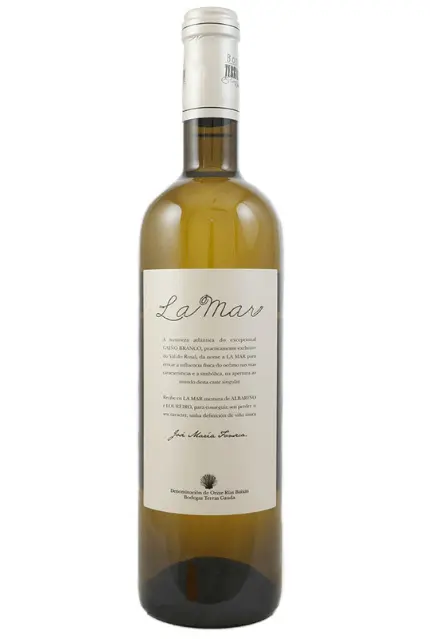
For a similar wine from a more unusual grape variety, try Terras Gauda La Mar.
I fell in love with the aromatic grape variety, Albariño, a few years ago and have been converting people over to its wines ever since. Albariño is one of the best Spanish still white wines and although there are a lot of cheaper versions, there are also some great quality Albarinos like Sal da Terra Albariño Rías Baixas which is organic (currently uncertified) and vegan-friendly. The 2018 was described by JancisRobinson.com as “a wine to make me fall in love with Albariño again” – and this vintage does the same. The Rías Baixas region with its relatively cool (and somewhat damp) climate produces the best examples. The grape is low-yielding which adds to the concentration and complexity of the wines. Albariño is widely regarded as an aromatic grape variety though the wines manage to combine fruity flavours with crisp minerality and fresh acidity. Some of this wine was fermented in large chestnut barrels and then blended with wine fermented in concrete so the wood influence is very subtle. And chestnut barrels differ from oak barrels in that they are produced by boiling or steaming the wood rather than by toasting it and therefore the effect of the wood is very limited.
For a similar wine from a more unusual grape variety, try Terras Gauda La Mar.
Recommended if you want to impress your friends with an “in vogue” wine. Pair with fish, including oily fish and fish served in Mediterranean tomato-based sauces, goats cheese. Since it is quite rich and full-bodied it will also pair well with quite strongly flavoured dishes.
Serve at: 9 – 12°C
“Ripe citrus, stone fruit and white blossoms on the nose, with a hint of stony minerality. Despite refreshing zesty acidity there is wonderful breadth on the palate, with flavours of yellow peach, lime cordial and a sea-breeze salinity lingering on the finish.”
94 points – RobertParker.com
“The 2023 Sal da Terra is a special bottling for the importers of Zarate and Eulogio Pomares wines in the UK… It was produced with 60% grapes from Carballoso in Xil, Meaño, six kilometers from the sea at 250 meters above sea level. The vineyard was planted with 37-year-old vines on sandy granite soils; this part fermented in a 1,200-liter chestnut barrel. The remaining 40% of the volume was produced from the Francón vineyard, which also produces Eulogio’s Pedraneira, and it fermented and matured in a 1,500-liter concrete vat. The blend of the two is very balanced and elegant, harmonious, clean and expressive, with some flavors reminiscent of those I found in Pedraneira. It has a fine-grained texture and finishes tasty and focused.”
© 2014-2026 Wines with Attitude Ltd | VAT Reg. No. 181 2419 22 | Registered in England 08918466 | Fiveways, 57-59 Hatfield Road, Potters Bar, Herts, EN6 1HS