THE 5 BEST RED WINES FOR SUMMER – AND WHY When the weather turns warmer, many wine drinkers turn to white or rosé wines but what about those who prefer to stick to red wine whatever the weather? Which red wines are better suited to summer? As you might imagine, most heavily oaked big-bodied red wines can seem just a little too oppressive in hot summer weather so below are the features you should look for in your summer red wines, how to serve them and my suggestions for the 5 best summer red wines whether served chilled or at room temperature. FEATURES OF THE BEST SUMMER RED WINES As in any season, you should always be looking for wines in the summer that have balance, that is those where the alcohol or ABV level sits harmoniously with the acidity, tannins and level of sweetness in the wine. When none of these items sticks out like a sore thumb, then you know you are onto a good wine but of particular interest for summer-friendly red wines specifically are those that have: a light body low tannins soft texture relatively high acidity and fruit flavours in abundance. Why some red wines are better for summer than others Here are the reasons why the features mentioned above are better in summer red wines. Heavier red wines have usually acquired their body or structure from one or more of the following: oak ageing, extended lees ageing and / or high alcohol levels although certain grape varieties are also more likely to produce fuller-bodied wines than others. Wines with more extract (what gives the wine more body, colour and flavour) and / or with high alcohol have a heavier sensation in the mouth from the dissolved solids and the viscosity of the alcohol so will appear to be less refreshing in warmer weather. Heavily tannic wines which can seem a little “rustic” if the tannins have not yet softened are similarly more likely to have been aged in oak or undergone a long maceration. The tannins can make the wine seem heavier and harsher; although it may have started to develop more complex, spicy and savoury flavours, the wine may not seem as light and summery as a wine with lower tannins. Wines with low acidity generally feel rounder which again makes a wine feel more full-bodied. Higher acidity will make the mouth water and will also counterbalance any excess sweetness in the wine, therefore making the wine feel more refreshing. Another reason why unoaked or lightly oaked red wines are a good choice in the warmer weather is that wines fermented and / or aged in stainless steel have less interaction with the air and so retain their primary fruit flavours like fresh red and black berries and fruits, flavours that we associate more with the summer and which complement summer foods in general. Wines that have developed vanilla, toast or coconut for example from oak or dried fruit and meaty flavours from prolonged oxidation or ageing seem better suited to colder weather. In addition savoury flavours in red wines can taste rather metallic if the wine is served below room temperature. Fruit flavours are often also enhanced in lighter red wines by a process called carbonic maceration which also minimises the exposure to oxygen. Whole bunches of grapes are sealed in a tank or vat with CO2 to get rid of oxygen (rather than pressing the grapes first) and fermentation starts automatically after a few days with the result that more colour, soft texture, fresh fruit aromas and flavours are produced in the wine with lower tannins extracted. So, for summer reds, look for light, soft, fruity wines with low tannins, low or no oak influence and high acidity, like the following… THE 5 PERFECT RED WINES FOR HOT WEATHER Here are my suggestions for the 5 best summer red wines this year, wines that will suit the warmer weather we (hope for and) have during the UK summers and that won’t clash with the lighter foods that we tend to eat in the warmer months. BEAUJOLAIS Gamay is the archetypical fruity red wine and it is essentially the grape used for Beaujolais red wines which are some of the lightest, fruitiest red wines you can find. Gamay wines taste of raspberries and red cherries with a hint of black pepper and are generally very refreshing. The Beaujolais Cru wines are the high end of Beaujolais wines, with slightly more intense fruit flavours and they can usually be kept for longer. This sustainably produced Fleurie from Domaine des Fonds for example has a beautiful perfume with aromas of red berries and roses. It tastes of sweet cherries, strawberries, plums and red berry compote with hints of some savoury notes giving it a bit of oomph. It’s mouth-wateringly good. Or look at other Beaujolais wines like this lovely Morgon. PRIMITIVO In fact, whilst it was proved in the 1990s that Primitivo and Zinfandel are in fact the same grape variety, it is more the fruity southern Italian Primitivo wine that I am thinking about here rather than the (usually) heavier US Zinfandels as the former are generally lighter and fruitier. This Fatalone Primitivo Riserva from the Gioia del Colle DOC appellation in Puglia smells delightful – ripe blackberries, mulberries and cherries. These fruits are also evident on the palate along with a fresh minerality and almonds. And despite what I wrote about US Zinfandels above, Precedent Zinfandel “Evangelho” Contra Costa County 2018 is really elegant and light enough to enjoy on a warm evening. NERO D’AVOLA Nero d’Avola is grown extensively in Sicily and Puglia in southern Italy as it is well suited to the heat of those regions. Whilst occasionally you will find heavier versions, most are soft, fruity wines like this organic Nero d’Avola from family-run winery, Caruso & Minini. Its mouth-watering fruitiness is dominated by black fruits and blueberries with a hint of violets; just 50% of this wine was aged in oak and
7 key facts about Bordeaux wine
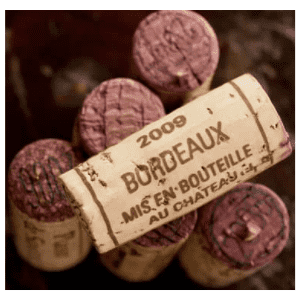
7 KEY FACTS ABOUT BORDEAUX RED WINE The Bordeaux wine region is one of the oldest wine-producing regions in Europe with a reputation for producing some of the world’s best red, white and dessert wines, though possibly the red wines or clarets are the best known. This guide to Bordeaux red wines describes what kind of red wine Bordeaux is, what Bordeaux wine tastes like and what is so special about it. Does Bordeaux deserve its reputation? All you need to know to help you understand the Bordeaux wine region and its red wines. BORDEAUX GRAPES Most Bordeaux red wines are blends – and more often than not you won’t see what the composition of the blend is on the label. 1. Bordeaux red wine is usually a blend of Cabernet Sauvignon, Merlot and Cabernet Franc Merlot is the most widely grown black grape at 66% of production with Cabernet Sauvignon at 22.5% and Cabernet Franc at 9.5%. Other grape varieties are allowed – until recently just Malbec, Carmenère and Petit Verdot – but these three combined account for only about 2% of production. Cabernet Sauvignon brings black fruit aromas and flavours such as blackcurrant and black cherries as well as notes of green pepper, liquorice and tobacco. It adds colour, tannins and body and takes well to oak, all of which extend the ageing potential of the wines. Merlot tends to add red fruit flavours like raspberry and plum but in warmer vintages it moves towards black fruits like blackberries; its tannins, body and acidity are much softer than Cabernet Sauvignons, hence why they can be a great match. Cabernet Franc is a good addition for its mouth-watering acidity and raspberry and herbaceous notes; it also adds “pencil shavings” aromas to some Bordeaux wines. Since 2021 four more black grape varieties are permitted, the aim being to add varieties more suited to the higher risk of rot and mildew which come with the changing climate, but they will only be allowed to make up 10% of any Bordeaux blend. These new varieties are Touriga Nacional which is grown extensively in the Douro region for port and ripens late and the lesser-known black grape varieties, Marlesan, Arinarnoa and Castets. BORDEAUX TERROIR I’m sure you won’t be surprised, this being a French wine region, that terroir is key to understanding Bordeaux wines. The Bordeaux region has traditionally been split into two key areas for red wines, Right Bank Bordeaux and Left Bank Bordeaux. In fact the Entre-Deux-Mers region, situated between the Dordogne and the Garonne rivers and best known for its white wines, produces more red wine than white wine, but most of it fits within the generic Bordeaux rouge and Bordeaux supérieur appellations. 2. Left Bank & Right Bank Bordeaux reds traditionally differ due to different terroir & grapes Wines from vineyards situated to the north of the Gironde and Dordogne rivers are sometimes known as Right Bank Bordeaux wines. Generally this area has limestone soils with clay and gravel in some parts. Historically more Merlot has been grown in these vineyards. Typical Right Bank Bordeaux wines include St Emilion, Pomerol, Lalande de Pomerol, Fronsac, Canon-Fronsac and Cotes de Castillon. Wines from vineyards situated to the south of the Gironde and Garonne rivers are sometimes known as Left Bank Bordeaux wines. Generally this area has clay soils with gravel in the vineyards which typically are part of larger estates than on the Right Bank. Historically more Cabernet Sauvignon has been grown on the Left Bank as the grape is more suited to the well-drained gravel soils. Typical Left Bank Bordeaux wines include Médoc and Haut Médoc, St Julien, Margaux, Pessac-Léognan and Graves. The climate in Bordeaux on a general level is known as moderate maritime; although temperatures can soar in the summer, there is a moderating influence from the Gulf Stream and proximity to the Atlantic ocean brings rain. Some vintages are more friendly to Cabernet Sauvignon and some to Merlot making some people talk of left bank and right bank vintages but that’s only part of the story because of course different parts of Bordeaux have their own micro-climate. BORDEAUX VINTAGES As the weather can differ so much from year to year and impact on the grapes in many different ways, vintage differences can be huge. 3. Vintage is important This is why there is such a kerfuffle in April each year as hundreds of wines from the previous year are tasted and compared and vintage reports are written. I have been to some of these tastings and they are actually quite hard work. The wines are still developing in barrel and the Cabernet dominant wines in particular can be quite chewy and tannic; the teeth end up being black after several samples have been tasted. It’s a real skill to be able to work out which are the wines that will taste fabulous when they are actually ready to drink; effectively you are testing the wine’s age-ability so that those who wish to invest early (‘en primeur’) can do so. I personally prefer to wait a couple of years before attempting most Bordeaux wines – and they say for optimum Cabernet-dominant high quality wines, you should wait 10 years before opening the bottle. Rarely do you see a vintage declared as poor; if it is not fabulous, it is usually ‘difficult’. Here’s a summary of a selection of Bordeaux vintages showing the impact of the weather on the quality and quantity of wine produced: 2020: warm Spring weather encouraged early budding which with an Indian summer made for a potentially long ripening season; harvesting was early and the vintage considered outstanding for red wines 2017: lower yields because of extreme frost in late April and hailstorms in some appellations in August but the smaller output is considered to be high quality, very supple and for earlier drinking than usual. 2016: stunning vintage; ideal weather conditions meant high quality, balanced wines in good quantities. Pomerol & St Emilion
Vintage Champagne: Is it worth the price?
VINTAGE CHAMPAGNE; IS IT WORTH THE PRICE? Vintage champagne is often talked about in much revered terms and the prices it can sell for suggest a far superior product to non-vintage champagne but is vintage champagne so much better than non-vintage? This blogpost looks into what exactly vintage champagne is, how vintage champagne differs from non-vintage champagne and what vintage champagne tends to taste like in comparison to non-vintage. In addition we look into the best vintage champagne years, how long vintage champagne can keep, how best to appreciate vintage champagne and whether it is worth the premium. First let’s look at non-vintage and vintage champagnes and the differences between the two. NON-VINTAGE CHAMPAGNE Non-vintage champagne is produced year on year in a consistent house style and, to achieve that consistent style, champagne houses have to use a blend of wines produced from grapes from different vineyards picked in different years, often many different years, and usually, though not always from all three of the authorised champagne grapes – Chardonnay, Pinot Noir and Pinot Meunier. Reserve wine is kept back each year to use in the non-vintage blend (or cuvée) and accounts for about 20% of the total blend. It is a real skill producing that consistency of style that non-vintage champagne tends to have given the differences each year in grape quality and weather and taking into account the effects of ageing on the reserve wines. So, if you find a non-vintage champagne that you really like, I always recommend that you stick to that brand because you can be pretty sure that the taste and quality will stay the same. In my case de Castellane non-vintage Brut Champagne (above) has been my favourite for many years and remains so which is why it was the first wine that I wanted in the Wines With Attitude portfolio. VINTAGE CHAMPAGNE Vintage champagne is not produced every year but only when the producer deems the vintage to be worthy – it is usually about three or four times each decade. Some champagne houses only produce vintage champagne, Dom Perignon for example, which means that they don’t produce champagne every year, adding to the rarity value – and to the price. All the grapes used to produce a vintage champagne must be from the year’s harvest specified on the front label of the bottle. No reserve wines from other years can be added. They are generally still blends however as the winemaker mixes the juice from different grapes and from grapes from different plots with different terroirs but instead of looking for a consistent style, they are trying to achieve the best tasting champagne from the best grapes grown in the specific conditions of that vintage. Each vintage champagne will therefore taste different; even a specific champagne house’s vintage champagne will taste different each year it is produced. There are some who think that, even in vintage years, the priority for most champagne houses has to be the non-vintage champagne as that is what they sell most of; it has to be hoped that using the better grapes for the vintage champagne does not compromise the known style of the non-vintage champagne but there are some who believe that it does. HOW & WHY VINTAGE CHAMPAGNE TASTES DIFFERENT Non-vintage champagnes must mature in bottle for a minimum of 15 months of which 12 months must be on the lees (mainly a deposit of yeasts which forms after the second fermentation in the bottle has finished, as seen in the photo). Vintage champagne spends longer ageing, at least three years. In practice it is often much longer before any wines are released – two to three years for non-vintage and four to ten years for vintage. The additional ageing time means that vintage champagne develops more body, more complex flavours and a smoother texture. In younger non-vintage champagne the primary flavours will be fruit – citrus fruits like lemon and grapefruit and stone fruits like peach and apricot. In non-vintage champagne that has aged a while a buttery or creamy texture and secondary flavours like brioche/ toast and nuts may start to develop. These secondary flavours will be more intense in vintage champagne because of the longer ageing; in addition the body will be fuller, the wine richer and further earthy flavours and aromas like leather and mushrooms may be present. Read more about the taste of champagne. HOW LONG VINTAGE CHAMPAGNE CAN KEEP Vintage champagne is likely to age better and for longer. Non-vintage champagne should generally be drunk within 36-48 months of bottling (remember it has already aged at least 12 months in bottle before release) whereas non-vintage champagne can be kept for five to ten years or longer (after its minimum three years ageing in bottle). THE BEST VINTAGE CHAMPAGNE YEARS Of course it is all a matter of taste but generally the following years are considered to be the very best vintages of the 2000s – 2018, 2012, 2008 and 2002. HOW TO ENJOY VINTAGE CHAMPAGNE I would recommend serving vintage a little less chilled than non-vintage champagne say at 12-14°C so that the complex flavours of the wine are not masked. Also allow the champagne to breathe for 15-30 minutes so that the layers of unique aromas and flavours have time to unfold. Sit back and enjoy! IS VINTAGE CHAMPAGNE WORTH THE PREMIUM? Vintage champagne is generally currently priced at around £40-£60 but can be hundreds of pounds per bottle; the fact that vintage champagne represents only 5% of total champagne production and the longer ageing time account to some extent for the difference in price. But at the end of the day, you are taking a bit of a chance; although the winemaker is trying to impress with a wine made from the best fruits from the best years, it really is all a matter of taste. Whether you think a wine is worth the premium, depends on the particular vintage and the particular wine and your own