No products in the basket.
Why champagne tastes like champagne
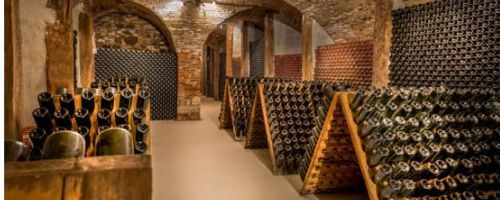
Why champagne tastes like champagne Why does champagne taste like it does? This ‘quick & general’ guide to the champagne flavour profile looks at what champagne tastes like and the reasons why. Essentially, why champagne tastes like champagne. It compares the production of champagne and other wines made by the champagne method to the production of other sparkling wines like prosecco because the differences in the techniques used in the winery have perhaps the biggest influence on the flavour profile. Other things of course affect the taste of sparkling wine not least the grape varieties, terroir and weather variations, the sweetness and alcohol levels so there are many contributing factors that lead to such a wide range of sparkling wine types and flavours. But here the focus is on the sparkling wine production techniques in the winery. You can also find an explanation of some of the terms you might find on Champagne labels. Wines produced by the Champagne method We all know and love champagne but did you know that there are a number of other sparkling wines made in the same way (known as the champagne or traditional method)? These include: English sparkling wines; these make a great alternative to champagne and are just getting better and better. In fact these days, there are many who prefer English sparkling wines like Nyetimber Classic Cuvée, Ridgeview’s Blanc de Noirs and their Rosé de Noirs. Initially produced very much in the same style as champagne, English sparkling wines have developed their own character and are now, rightly, a well-respected category of their own. Similar to champagne but with more emphasis on fruit and often a more subtle lees influence on the taste. Cava and Penedès wines; you may be surprised to see Cava in the list as there are many very commercial style Cavas on the UK supermarket shelves so you do need to take care in your choices. This commercialisation of Cava has led to several producers moving their wines to the Penedès appellation and getting back to the classic, higher quality style of Cava as in Colet’s Tradición. Franciacorta from Italy tends to be a little lighter and less rich in style than champagne but not as light or sweet or fruity as Prosecco. South African sparkling wines labelled Méthode Cap Classique like Krone Borealis and Krone Rosé Cap Classique. Saumur & Vouvray from the Loire Valley; often made from Chenin Blanc and usually lighter than Champagne with more smoky characteristics. Crémants like Manoir du Carra’s Crémant de Bourgogne. Crémants are French sparkling wines made outside of the Champagne region by the champagne method. They come from regions such as Burgundy (Crémant de Bourgogne), Bordeaux, the Loire and Alsace. Strict regulations dictate that only wines made in Champagne by the champagne method can be called Champagne however. And strictly speaking outside of champagne, we should refer to the traditional method rather than the champagne method. What creates the flavours of Traditional method wines? Grapes of course are a major factor in the taste of any wine. English Sparkling Wine tends to be made from the three main grapes used in Champagne, Chardonnay, Pinot Meunier and Pinot Noir but Cava, Franciacorta, Saumur, Vouvray and the Crémants allow more latitude. Manoir du Carra’s Crémant de Bourgogne is a Blanc de Blanc Crémant as it is produced exclusively from white grape, Chardonnay. What all these wines have in common is the traditional method of production and this probably has the biggest influence on the flavour profile. The champagne or traditional method in a nutshell means that the second fermentation takes place in individual bottles rather than in a pressurised vat or tank. A first fermentation produces a still wine with alcohol at c. 10% ABV. The second fermentation takes place after yeasts and sugars are added to the base wine created by the first fermentation. It is the interaction of these substances that creates the carbon dioxide or bubbles in the wine – and increases the alcohol level a degree or so. What is the significance of a fermentation in bottle you might ask. Well, it means that the wine has exposure to the yeast cells as they die and then break down, a process known as yeast autolysis. The compounds released into the wine from interaction with the dead yeast cells or lees is essentially where the aromas and flavours of champagne and champagne method wines are developed. That is the fundamental reason why champagne tastes like champagne! The bottles are stored for many months (at least 15 for champagne) and sometimes for years, initially flat to maximise the contact of the wine and the lees. Subsequently, they were traditionally moved to riddling racks or “pupitres” like those below and turned over time to move the sediment to the neck of the bottle ready for removal. This process is now more often than not done by a mechanised palette known as a “gyropalette”. Of course by the time you have your glass of champagne there is no yeast left in the wine but it has had a major impact on the taste. Autolysis is responsible for the biscuity, brioche type of aromas and flavours associated with champagne and other champagne method wines. They might also be described as toast, pastry and even cheese in some instances. Yeast autolysis also helps create complexity and the rich, rounded texture of the champagne and other traditional method wines. The source of these toasty flavours is often assumed to be from oak but in most champagne method wines it is from the lees. A wine left on the lees for longer will show more intense bready aromas and flavours so ageing is also a factor. For sparkling wines not produced by the champagne method, like prosecco, this second fermentation takes place in a large vat or tank so although there may be some interaction with the lees, especially if they are stirred as sometimes happens, the effect is much more diluted or subtle. Sparkling wines like