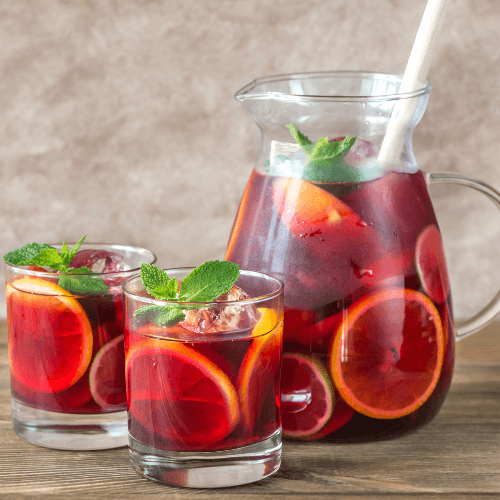
9 wine-based cocktails There is, in my opinion, a wine for every occasion but sometimes a longer alcoholic drink is called for, something beyond the traditional glass of red, white or rosé. It is possible to get enjoy wine in a longer drink by getting creative with wine-based cocktails. Warm summer evenings for example call for longer, cooler drinks. Refreshing, low-alcohol cocktails can elevate a lengthy brunch and let’s not forget the Mediterranean tradition of the aperitivo. All these occasions and more call for wine-based cocktails. So, in this post let’s explore why and when to enjoy wine cocktails and their advantages. Plus nine classic and modern wine-based cocktail recipes — from the timeless Kir Royale to the ever-popular Aperol Spritz – all of which are tasty, refreshing drinks and quick and simple to prepare so that you can enjoy the party. Why choose wine-based cocktails? Wine-based cocktails offer a number of advantages including: Lower Alcohol Content Unless you are particularly heavy-handed, wine cocktails are lighter than spirit-based drinks, making them ideal for relaxed, daytime settings or occasions when you want something flavourful yet light. Versatility From dry whites and fruity reds to sparkling wine and fortified wines like port, the diversity of wine allows for many different blends combinations with liqueurs, fruit, herbs and mixers. Wine cocktails can be light and simple for brunch, for lazy, summer afternoons and for casual daytime events or they can be more sophisticated without being over-the top for more festive occasions. Elegance & Simplicity There’s something effortlessly chic about a flute of Kir Royale or an Aperol Spritz and yet they look like you have made a real effort to treat your guests. These cocktails can be prepared without fuss and all taste delicious. Wine cocktail recipes Here are some of my favourite wine cocktails to give you some ideas and inspiration. Why not try them at home – they require very few ingredients and yet deliver maximum flavour. 1. Kir Royale A French classic, the Kir Royale is elegant and celebratory, perfect for toasts and festive occasions. The natural acidity in champagne is the perfect partner for the sweetness of the crème de cassis. Ingredients: A dash of crème de cassis (blackcurrant liqueur) A glass of chilled champagne Blackcurrants (optional) Instructions: Pour the crème de cassis into a chilled champagne flute. Top with champagne. Serve immediately, no stirring required. Tip: Use a dry, traditional method sparkling wine such as Crémant de Bourgogne or Cava for a more economical cocktail. 2. Kir Imperiale A twist on the Kir Royale, the Kir Imperial uses raspberry liqueur instead of cassis for a fruity, subtly tart finish and a perfect summer drink. Ingredients: A dash of Chambord or raspberry liqueur A glass of champagne or traditional method sparkling wine Instructions: Add raspberry liqueur to a chilled champagne flute. Top with champagne. Tip: Garnish with a couple of fresh raspberries. 3. Simple summer fizz Very similar to or maybe now known as a Hugo Spritz, this cocktail is effervescent, citrusy and ideal for summer brunches, poolside lounging or après ski! Ingredients: A glass of chilled Prosecco Elderflower cordial to taste A squeeze of fresh lemon juice Ice A couple of fresh mint leaves per glass Instructions: In a wine glass filled with ice, add elderflower cordial and lemon juice. Top with Prosecco. Stir gently and garnish. 4. STrawberry Moscato Sweet, fruity and very pretty, this drink works beautifully at garden parties and summer barbeques. Ingredients: A glass of chilled Moscato d’Asti wine A spoonful of purée made from fresh strawberries, lemon juice and basil leaves A splash of soda water Ice Mint and / or strawberry for garnish Instructions: In a shaker, combine strawberry purée and Moscato d’Asti. Shake lightly if using purée. Pour over ice in a wine glass. Top with a splash of soda. Stir and garnish. Tip: Use the better quality Moscato d’Asti rather than Moscato. Moscato d’Asti is slightly sweet which offsets perfectly the acidity of the lemon and strawberries but if you prefer your cocktail slightly sweeter, you can add a little sugar to the purée or just hold back on the lemon juice. 5. White port and tonic Portugal’s answer to a Gin & Tonic is pictured at the top of this blogpost – and it’s my current favourite wine-based cocktail. White port and tonic is a crisp and slightly nutty drink with botanical notes. Ingredients: 1 part white port 4 parts tonic water Ice Lemon wedge and fresh mint for garnish Instructions: Fill a highball glass with ice. Add white port and tonic. Stir gently and garnish. Tip: Use a high-quality tonic water to enhance the flavours. Or for a more intense, shorter drink, pour a small glass of chilled white port. The perfect aperitif, this goes well with salty snacks but is also the perfect partner to seafood. 6. Sangria We cannot of course ignore sangria, that fruity, wine-based-cocktail that is completely customisable. Here is my suggestion. Ingredients: 1 bottle dry red wine (see comments below) A measure of brandy A measure of Cointreau of other orange liqueur A cup of orange juice 2 tablespoons of sugar or honey 1 orange (sliced) 1 lemon (sliced) Other fruits to taste Soda water to dilute to taste Ice Instructions: In a large jug or bowl, combine wine, brandy, liqueur, orange juice and sugar/honey. Stir until dissolved. Add fruits and refrigerate for at least 2 hours. Just before serving, top with soda water to the required level of dilution. Pour over ice Tip: Use a fruity red wine without harsh tannins like a Beaujolais, a lighter Pinot Noir or a very lightly-oaked Rioja. The tannins will be accentuated and harsh if a highly-tannic red wine is used. 7. Red wine spritzer This is probably not what would spring to mind automatically for a summer drink but with the right red wine, a red wine spritzer makes a simple and refreshing wine cocktail.

Which wines to drink in hot weather
Which wines to drink in hot weather Which wines should you drink in hot weather – and which should you avoid? Some prefer a cold beer or a long cocktail with heaps of ice or stick to non-alcoholic drinks because they think there is no wine that will be refreshing enough to enjoy when temperatures rise. But for wine-lovers there are definitely some wines that will taste better than others when a heatwave strikes. So here are my tips on which wines to drink in the heat and how to drink them – plus my top current wine-based summer tipple! I have to admit that neither wine nor indeed any form of alcohol is the best thing to drink in very hot weather. But show me a wine lover who doesn’t enjoy a glass of their favourite tipple whilst sitting on the terrace on a warm summer’s evening or in the shade enjoying a leisurely lunch on a scorching hot day. And of course post-peak-pandemic there are parties to be held to catch up with friends and family members where a few glasses of wine might be consumed. But which wines would be best? The effects of drinking wine in hot weather on you We all know the importance of staying well-hydrated in a heatwave – in hot weather our bodies release more fluids to start with. As a diuretic, alcohol messes up the body’s water regulation system further, making alcohol more potent, impairing our mental faculties and intensifying the risk of dehydration, heat stroke, exhaustion and even a stroke. So there is absolutely no shame in diluting your wine. I know there is something very “Abigail’s party” about it but spritzing white wines with soda water, tonic water or even sparkling mineral water creates a refreshing long drink, ice-cubes optional. I would stick to diluting only the light, crisp styles of white wine rather than anything too oaky as cooler temperatures will make the oak seem too obvious and I can’t imagine making a spritzer from any red wine or from anything very valuable in your wine cellar. And talking of spritzers, don’t forget my recipe for Aperol Spritz as detailed in my blog though in particularly hot weather I would add more soda than usual to the mix. Whether you decide to dilute or not, always make sure that you drink plenty of water in between sips of wine. The types of wine to drink in hot weather The best wines to drink when the temperatures outside are soaring are: Low in alcohol Wines with medium to high ABV, anything over 13%, are likely to heat you up and dehydrate you more than alcohol wines at 12.5% ABV or lower. Wines that are lower in alcohol are generally lighter in body and so will also seem less heavy. The high alcohol in some wines will seem more intense in hot weather and is likely to make you feel more sluggish in the heat. Alcohol-wise, low is the way to go. High in acidity Wines that are low in acidity can seem flat, heavy and lacking in freshness. In hot weather we are more likely to want wines that are mouth-wateringly fresh with clean fruit flavours and aromas. In general white wines and rosés have higher acidity than reds and wines from cool climate regions be more refreshing than wines from hotter climes. You can read more about acidity in wine in my blogpost. Low in tannin Tannins can seem very drying at the best of times but more so in hot weather so avoid heavily tannic red and rosé wines. And if you chill your red wine, the tannins will overpower the fruit flavours of the wine and make the wine taste quite metallic and bitter. If you are following the guidance towards a wine that’s high in acidity, beware, as high tannins will clash with high acidity. Red or rosé wines that are low in tannins will seem lighter and will allow the fruit flavours to dominate. Unoaked Wines that have more than a very light touch of oak will also seem heavier in hot weather so stick to unoaked or lightly oaked wines. Chilling an oaked wine too much can make the oak seem very bitter. White wines to drink in hot weather Look for light- or medium- bodied white wines with low alcohol and high acidity which will make the mouth water and keep you refreshed. You are more likely to find choice in the crisp light white and aromatic styles of white wine than in rich, creamy whites. Great white wines to drink in a heatwave are Picpoul de Pinet, cool climate Sauvignon Blanc from places like the Loire and New Zealand and Albariño which is usually unoaked. A heavily oaked Chardonnay would not be the best choice but, if you want to stick to Chardonnay, make sure it is unoaked like a traditional Chablis. I’ve always enjoy the delights of Portugal’s vinho verde in hot weather – see above image. This white wine is notoriously light, low in alcohol at around 11.5% and even has a touch of spritz. And talking of bubbles, don’t forget chilled sparkling wine makes a good choice too – just stick to the same principles, lighter in style, only lightly oaked or unoaked and with high acidity – why not try a Crémant de Bourgogne, a champagne-method, champagne style wine that’s lighter and fruitier. Rosé wines to drink in hot weather Lighter Provence style rosés are all the rage in the summer – and rightly so as they are the perfect wine for hot weather. That’s not to say that a more aromatic style of rosé won’t do – just make sure it’s unoaked or not too oaky in style. Unoaked Sancerre rosé or this English rosé wine are both delicious chilled. Red wines to drink in hot weather Red wine may not be the obvious choice but if you are a red
The 5 best red wines for summer and why
THE 5 BEST RED WINES FOR SUMMER – AND WHY When the weather turns warmer, many wine drinkers turn to white or rosé wines but what about those who prefer to stick to red wine whatever the weather? Which red wines are better suited to summer? As you might imagine, most heavily oaked big-bodied red wines can seem just a little too oppressive in hot summer weather so below are the features you should look for in your summer red wines, how to serve them and my suggestions for the 5 best summer red wines whether served chilled or at room temperature. FEATURES OF THE BEST SUMMER RED WINES As in any season, you should always be looking for wines in the summer that have balance, that is those where the alcohol or ABV level sits harmoniously with the acidity, tannins and level of sweetness in the wine. When none of these items sticks out like a sore thumb, then you know you are onto a good wine but of particular interest for summer-friendly red wines specifically are those that have: a light body low tannins soft texture relatively high acidity and fruit flavours in abundance. Why some red wines are better for summer than others Here are the reasons why the features mentioned above are better in summer red wines. Heavier red wines have usually acquired their body or structure from one or more of the following: oak ageing, extended lees ageing and / or high alcohol levels although certain grape varieties are also more likely to produce fuller-bodied wines than others. Wines with more extract (what gives the wine more body, colour and flavour) and / or with high alcohol have a heavier sensation in the mouth from the dissolved solids and the viscosity of the alcohol so will appear to be less refreshing in warmer weather. Heavily tannic wines which can seem a little “rustic” if the tannins have not yet softened are similarly more likely to have been aged in oak or undergone a long maceration. The tannins can make the wine seem heavier and harsher; although it may have started to develop more complex, spicy and savoury flavours, the wine may not seem as light and summery as a wine with lower tannins. Wines with low acidity generally feel rounder which again makes a wine feel more full-bodied. Higher acidity will make the mouth water and will also counterbalance any excess sweetness in the wine, therefore making the wine feel more refreshing. Another reason why unoaked or lightly oaked red wines are a good choice in the warmer weather is that wines fermented and / or aged in stainless steel have less interaction with the air and so retain their primary fruit flavours like fresh red and black berries and fruits, flavours that we associate more with the summer and which complement summer foods in general. Wines that have developed vanilla, toast or coconut for example from oak or dried fruit and meaty flavours from prolonged oxidation or ageing seem better suited to colder weather. In addition savoury flavours in red wines can taste rather metallic if the wine is served below room temperature. Fruit flavours are often also enhanced in lighter red wines by a process called carbonic maceration which also minimises the exposure to oxygen. Whole bunches of grapes are sealed in a tank or vat with CO2 to get rid of oxygen (rather than pressing the grapes first) and fermentation starts automatically after a few days with the result that more colour, soft texture, fresh fruit aromas and flavours are produced in the wine with lower tannins extracted. So, for summer reds, look for light, soft, fruity wines with low tannins, low or no oak influence and high acidity, like the following… THE 5 PERFECT RED WINES FOR HOT WEATHER Here are my suggestions for the 5 best summer red wines this year, wines that will suit the warmer weather we (hope for and) have during the UK summers and that won’t clash with the lighter foods that we tend to eat in the warmer months. BEAUJOLAIS Gamay is the archetypical fruity red wine and it is essentially the grape used for Beaujolais red wines which are some of the lightest, fruitiest red wines you can find. Gamay wines taste of raspberries and red cherries with a hint of black pepper and are generally very refreshing. The Beaujolais Cru wines are the high end of Beaujolais wines, with slightly more intense fruit flavours and they can usually be kept for longer. This sustainably produced Fleurie from Domaine des Fonds for example has a beautiful perfume with aromas of red berries and roses. It tastes of sweet cherries, strawberries, plums and red berry compote with hints of some savoury notes giving it a bit of oomph. It’s mouth-wateringly good. Or look at other Beaujolais wines like this lovely Morgon. PRIMITIVO In fact, whilst it was proved in the 1990s that Primitivo and Zinfandel are in fact the same grape variety, it is more the fruity southern Italian Primitivo wine that I am thinking about here rather than the (usually) heavier US Zinfandels as the former are generally lighter and fruitier. This Fatalone Primitivo Riserva from the Gioia del Colle DOC appellation in Puglia smells delightful – ripe blackberries, mulberries and cherries. These fruits are also evident on the palate along with a fresh minerality and almonds. And despite what I wrote about US Zinfandels above, Precedent Zinfandel “Evangelho” Contra Costa County 2018 is really elegant and light enough to enjoy on a warm evening. NERO D’AVOLA Nero d’Avola is grown extensively in Sicily and Puglia in southern Italy as it is well suited to the heat of those regions. Whilst occasionally you will find heavier versions, most are soft, fruity wines like this organic Nero d’Avola from family-run winery, Caruso & Minini. Its mouth-watering fruitiness is dominated by black fruits and blueberries with a hint of violets; just 50% of this wine was aged in oak and