No products in the basket.

This Wines With Attitude guide covers everything you need to know about acidity in wine – how you taste acidity in wine, what causes it, which wines have high acidity and which are low in acidity, whether high or low acidity is better plus tips on matching high acid wines with food. In addition and by way of an update to my original blogpost, what winemakers can do to alter the acidity in your wine.
Wine writers use the word “acidity” frequently – I know that I write the term often in my unique Wines With Attitude tasting notes. However, conscious that some consumers may be wary of the words “acidity” or “acidic”, I try to vary the words I use to describe wines displaying acidity so you will see terms such as fresh, bright, zesty, zingy, refreshing, tangy and crisp though whether these really convey the true meaning could be debated.
It is simply difficult if not impossible to avoid using “acidity” because it is one of the essential components of a good wine. So, if we can’t avoid the term, let’s find out more about it.

The word “acidity” conjures up images of test-tubes and laboratories quite at odds with the healthy grapes in scenic vineyards that we picture as the origin of the wines we drink. So it was no surprise that there was some consternation amongst UK wine drinkers at press articles indicating that, after a very hot summer in 2026, winemakers were to be allowed to acidify their wines. This is a first for UK winemakers and was only permitted for that 2026 vintage but in many other wine-producing countries this practice has been allowed for many years. In fact it is much more common than you would imagine – and than the wine industry would like to admit.
Acidity is naturally present in grapes as it is in many foods and different varieties have different natural levels of acidity – Nebbiolo and Sauvignon Blanc for example are at the high end of the scale and Grenache and Viognier are at the low end. Grapes that do well in the UK vineyards such as Bacchus, Schönburger and early Pinot also come in at the low end.
The level of acidity is also affected in the vineyard by soils, location and the weather or vintage. It is important to understand that the level of acidity in grapes first increases and then declines as the grapes ripen on the vine and the level of sugar rises.
It is therefore key to the natural balance of a wine that grapes are picked at the right time i.e. when acidity and sugars are at “optimal” levels. Why? Well, if acidity falls too much, a wine could be considered flat or “flabby” with dull flavours and a higher susceptibility to spoilage and infection. And where sugars are high, alcohol levels will naturally be high. Too much acid can make a wine seem too sharp or even bitter. It is all a balancing act for the winemakers as they also need to consider fruit flavours, sugar and therefore alcohol levels. With increasingly hot summers, it is becoming even more difficult to achieve that balance.
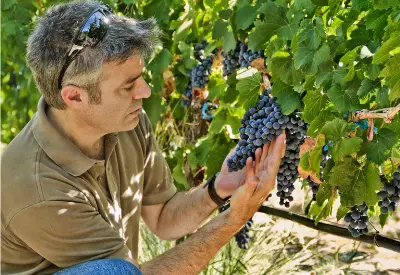
Aside from contributing to the natural balance of a wine, acidity adds
Hot tip: Tannins and acidity in particular can clash so avoid wines with high levels of both.
Given the required balance of sugar and acidity, winemakers in particularly hot wine-making regions such as southern Europe, California and parts of the interior of Australia might be more tempted than winemakers in cooler areas to adjust artificially the acid (or the sugar in the wine – or both) and are generally permitted to do so within the boundaries of local regulations.
Acidification is generally carried out by the addition of tartaric acid which is the most dominant acid in grapes although malic, lactic and citric acid may also be permitted. It is generally considered preferable to acidify before fermentation so that the acid has longer to blend with the wine. Adjustments made post fermentation will not integrate as well and can result in poorly-balanced wines. Consequently, there are usually tighter regulations on acidification post-fermentation. A good taster can often recognise poor acidification as there is a very artificial acidic taste to the wine.
The authorisation to allow UK winemakers to add acid to wine in 2026 was issued by the Department for Environment, Food and Rural Affairs (Defra) was reported to stipulate a maximum of up to 4g of tartaric acid per litre of wine. Maybe it was the press trying to inflame the issue as 4g per litre seemed high compared to levels permitted elsewhere. However if you look at the detail, the permitted level is spilt into 1.5g per litre pre or during fermentation and 2.5g per litre for finished wine which in fact mirrors EU limits for all but the coolest EU countries.
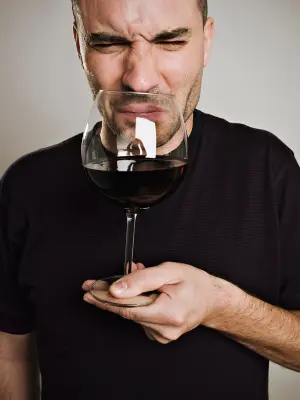
One type of acidity in wine that is not desirable is volatile acidity, essentially acetic acid or vinegar. A small amount is produced during fermentation but it increases in a wine exposed to air and, in large quantities, spoils the wine. If the cheaper alternative to tartaric acid, citric acid, is used, there is a risk that it will spoil from contact with naturally-occurring lactic bacteria and create acetic acid or volatile acidity.
Hot Tip: If you smell vinegar or nail polish remover in a wine, send it back
Note that acidity in wine can often be naturally lowered by malo-lactic fermentation (“MLF”) or secondary fermentation. The process is often encouraged by winemakers to make red wine smoother and for white wines that are meant to be fuller-bodied, as it softens the acidity of the wine, converting malic acid into lactic acid and carbon dioxide (as MLF occurs in vats rather than in the bottle, the gas simply disperses). This process can start spontaneously by lactic bacteria present in the wine but can be easily controlled by adding more of the bacteria which are present in the winery.
MLF also adds complexity to wine – and certain flavours. As an example think about the difference between Chardonnay which will usually see MLF and Sauvignon Blanc which ill not.
Deacidification is permitted in cooler climate wine-growing regions that may struggle to see acid levels decrease to the optimum level by the time the grapes are ripe. This is usually done by adding a carbonate to neutralise the acids. Although acid levels are reduced by this process, it can leave calcium tartrate crystals in the wine. These crystals are harmless but can deter some consumers from buying or drinking a wine.
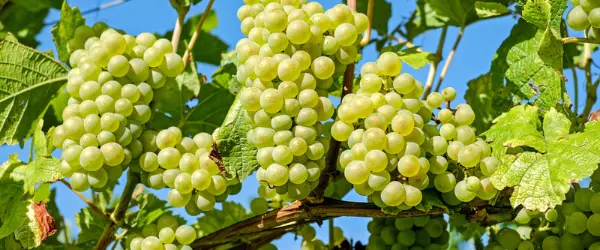
I could get scientific and talk about measuring total acidity and pH levels in wine but I’ll keep it short and just say that wines generally have a pH between 3.3 and 3.7 which sits in between black coffee with a pH of 5.0 and orange juice with a pH of 3.0. Few wines therefore are more acidic than a glass of your morning orange juice. But which wines should you opt for if you prefer to avoid those wines – here are a few tips:
Hot tip: White wines tend to have higher acidity than red wines
As mentioned above, almost all red wines undergo MLF to convert harsh malic acid to softer lactic acid but not all white wines do; for example, producers tend not to use MLF for Sauvignon Blanc but for producers of white Burgundy it is essential for the style. Lighter style red wines tend to have higher acidity than heavier, more full-bodied reds.
Since the level of acidity in grapes first increases but then declines as the level of sugar rises, in cool climate areas such as Burgundy, vines can struggle to ripen fully. Therefore grapes grown there generally have higher acidity and lower sugar. Conversely grapes grown in warmer climates tend to have low acid and high sugar.
Hot tip: Cool climate wines tend to have higher acidity than wines from warmer regions
There is no right or wrong – some people prefer more acidic wines, others prefer less acidic wines. There has however been a trend in the past towards lower acidity wines or rather a rise in “big”, ripe, fruit-filled, higher alcohol wines from warm climate regions. This in turn is partly linked to today’s average consumer who doesn’t want to wait years for a wine to mature but wants a wine ready for drinking now – or rather the supermarkets pushing the consumer down that path. Perhaps tastes therefore changed towards the more “commercial” lower acidity style.
Reputable winemakers were the first to shun the high alcohol, lower acidity style and striving for more balanced wines which was a good thing. After all what is most important is that the acidity should be in balance with the sweetness, alcohol and any tannins. The market in general and consumer tastes seem to be following the new trend.
Acidity is not a taste as such (if your wine tastes of acid then you have a problem) but it can be detected by a tingling sensation on the sides of the tongue. When you taste a wine with high acidity such as a Sancerre, your mouth will water more than usual – just as it does when you bite into a sharp Granny Smith apple or drink unsweetened lemonade. It whets the appetite, making you want to take another bite or sip.
In general wines that are higher in acidity complement food better than those with low levels. Wines that display high acidity particularly complement acidic foods such as lemon or vinegar-based sauces as crisp refreshing wines make the food seem softer and less tart. So for seafood with freshly-squeezed lemon or asparagus served with a vinaigrette sauce, try an Albariño or a Provence rosé.
Hot tip: If presented with a dish that is more acidic than the wine, add a dash of salt to reduce the acidity of the food
Generally acidic wines will not go well with creamy sauces so for meat served with a creamy sauce, a rich fish pie or Eggs Benedict, a Chardonnay, Sémillon or Chenin Blanc will be a better match.
Hot tip: If you are served a creamy dish with an acidic wine such as Sauvignon Blanc, add some lemon juice or balsamic sauce to the food so that the food and wine are a better match.
Acidification is not all bad and it is likely to become more prevalent with climate change and the resulting increased risk of higher natural acid in grapes and higher pH in wines. However it needs to be used with constraint and to be fully integrated in the wine such that its addition is not noticeable. The process is more likely to be used for bulk wines or entry-level wines – wines from valley vineyards in hot countries churning out on an industrial scale wines that are consistent year-on-year and that cost below about £10 in the UK are most likely to have had acidity increased artificially. Winemakers who are more focused on producing premium wines that display their terroir and their vintage differences whilst using minimal intervention are likely to avoid using acidification where they can. The choice is yours!
© 2014-2026 Wines with Attitude Ltd | Registered in England 08918466 | VAT Reg. No. 181 2419 22 | Fiveways, 57-59 Hatfield Road, Potters Bar, Herts, EN6 1HS