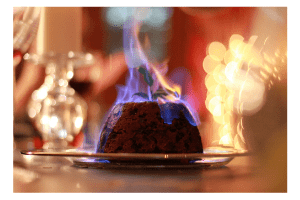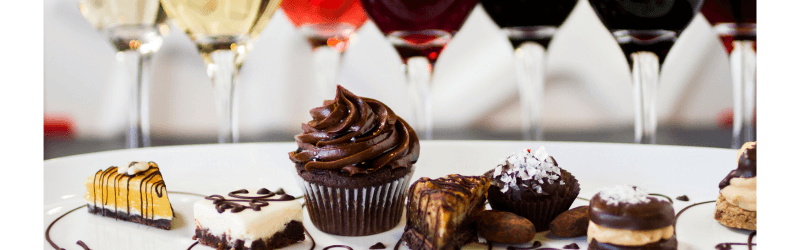
The perfect wines to drink with Christmas pudding Whether you opt for Christmas pudding, the very traditional finale to Christmas dinner in the UK, or something equally rich and sweet, what are the perfect wines to drink with Christmas pudding? This blog post looks at which wines will complement your dessert whether it be plum pudding, mince pies, panettone, trifle, chocolate cake or cheese.  You could also look at my wine suggestions to serve with main courses at Christmas. The main aim for the main course and for desserts should always be to match the weight of the dish with the body of the wine. And there is a fundamental second tip when pairing desserts & wine and that is … You might think that drinking a wine that is even sweeter than a dessert would make the dessert seem sickly sweet but surprisingly that is not the case. It will actually help to avoid creating an acidic or sour taste in the mouth. Of course the sweet wine must have good acidity too as that will also stop the combination seeming over the top. The acidity will cut through the sweetness and make the mouth water. WINES TO DRINK WITH CHRISTMAS PUDDING Ruby Port or Tawny Port are the traditional wines to have with a traditional Christmas pudding. The warm fruitiness of ruby port and the nutty flavours of tawny port both complement the rich fruit & nut flavours of the Christmas pudding. Which of these you choose is a matter of personal preference, whether you prefer the fruity ruby or the nutty tawny. But should you want to try something very different, I can recommend the following: Vin Doux Naturel – like port, VDNs are fortified with spirit to stop fermentation before all the sugar has converted into alcohol. It’s less sweet than a dessert wine, lighter and less alcoholic than port. They tend to combine fresh and fruity flavours with warm spices, chocolate and raisins which complement Christmas Pudding.  Sparkling Moscato d’Asti – this Italian slightly sparkling and slightly sweet wine might not be something that you have ever considered before but, trust me, it is a great match for any dessert. And what’s really great about it at the Christmas dinner table is that its light body and gentle spritz just dance around the tongue after all that rich food creating a really refreshing drink.  WINES TO DRINK WITH MINCE PIES & CHRISTMAS CAKE For mince pies and any spicy or nutty cake a tawny port works really well. The combination of the nutty flavours of the port match perfectly with the dried fruits and nuts of mince pies (and Christmas Pudding). The acidity of the port should also help balance the richness of the mincemeat.  Bila-Haut’s Vin Doux Naturel is fresh and fruity but its hints of warm spice, nuts and raisins are also the perfect match for mince pies. WINES TO DRINK WITH PANETTONE Prosecco is the classic partner for this Italian Christmas speciality, ask most Italians! It should be Extra Dry Prosecco which is a bit of a misnomer as Extra Dry is actually slightly sweeter than Brut (which is the normal level of sweetness of most of the Champagne that we drink here in the UK).  However I know some Italians who swear by the afore-mentioned Moscato d’Asti because it’s slight sweetness is the perfect match with the not-too-sweet panettone. WINES TO DRINK WITH TRIFLE & CREAMY DESSERTS Trifle and other creamy and fruity desserts will also benefit from a sweet sparkling Moscato d’Asti because whilst the wine is sweet it also has mouth-watering acidity which cuts through the rich cream and custard and complements the fruit.  Tawny port will complement the dried fruit and nuttiness of a trifle laden with sherry, though it must be a port with good acidity to slice through the cream. And obviously sherry might also do the trick!  But if you really don’t want sweeter wine with your trifle, try something like a Crémant de Bourgogne – this champagne-like sparkling white wine is fruity and creamy and will complement all the cream in the trifle. WINES TO DRINK WITH CHOCOLATE DESSERTS People often stick to the red wine they have been drinking with their main course when they get to their dessert but, in most cases, this is a mistake as they soon find out. Certainly when eating a chocolate dessert, avoid red wine as the tannins found in most red wines can clash with chocolate and make the wine taste very bitter.  So for rich chocolate desserts again my advice would be to try a sparkling Moscato d’Asti – the lightness of this wine and the bubbles will cut through the richness. Ruby port is an alternative as it is fruity enough to provide a foil to all that rich chocolate. And for something a little different, you could try an ice wine also known as eiswein. These are wines produced from grapes left to freeze on the vines; when the grapes are pressed, only the sweet juices that have not frozen are used in the wines. Ice wines should also have good acidity to prevent them being too sweet and to help them pair well with most puddings. Chocolate and ice wine is a particularly good match! And of course there is always dessert wine like Sauternes which will pair well with most desserts and – perhaps more surprisingly – with blue cheeses like Roquefort (and with foie gras for those with a preference for more savoury dishes). WINES TO DRINK WITH CHEESE … if you still have room for cheese … Matching cheese and wine will be the subject of a whole new blog post given the vast range of different cheeses so I will keep it simple here with just a few different suggestions. Stilton, well it is Christmas… – it has to be port, either a Tawny Port or a Ruby Port depending on whether you prefer the nutty flavours of the former or the fruity flavours of the latter Cheddar – again a Tawny or a
The perfect wines to drink with Christmas dinner
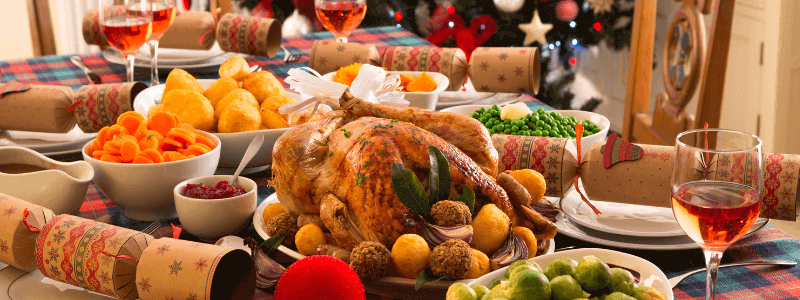
The perfect wines to drink with Christmas dinner You’ve bought the turkey, made the cranberry sauce and peeled the brussel sprouts but what are you going to drink with your Christmas meal? Let’s take a look at the perfect wines to drink with Christmas dinner. These wine suggestions complement typical Christmas dishes that feature as a main course for Christmas dinner in homes across the UK. Wines that won’t match so well with your feast are also mentioned so you can avoid them and have a stress-free meal!  See also my blog post covering Christmas desserts and wine. Difficulties finding the perfect wines for Christmas dinner Firstly, Christmas is about having fun and meeting up with family and friends. It’s not about stressing out about which wine or wines to have with dinner. If you just want the easy option and stick to your favourite wine, then no-one is going to turn up their noses and say that the wine you have chosen is absolutely the wrong choice to go with turkey or whatever you have chosen to cook. What you choose to drink should be based on your personal tastes so that you can relax and enjoy yourself.  In any case, you’ll be relieved to hear, there can be no hard and fast rules for wine at this time of year. We tend to eat such a wide range of foods that it is difficult to find wines to complement all of the different flavours; think of a typical Christmas dinner with the lean turkey, fatty sausages, the accompanying fruity cranberry sauce and the contrasting rich milk-based bread sauce.  However there are a few basic tips as laid out in my Food & Wine Matching Guidelines that might help you find wines that won’t be overwhelmed by all the food’s flavours and that might even enhance the meal. Tips for matching Christmas main courses with wine When trying to select the perfect wines to drink with Christmas dinner, it is worth remembering my absolute number one tip for any meal: The main aim in any food & wine pairing should be to match the weight of the meal with the body of the wine.  Below I list some typical Christmas main courses and give some suggestions for wines that will complement rather than clash with the food. PERFECT WINES FOR TURKEY Turkey (or chicken) is a relatively light meat but all the accompaniments that we tend to have with it make the typical UK Christmas dinner quite a rich affair so wines need to have some weight to match the meal. Another thing to consider is that turkey has a tendency to dry out and you therefore need quite a juicy wine. This is not a technical wine term but just an expression to mean a wine that is full of fruity flavours and with mouth-watering acidity. Therefore I would suggest the following… White wines that are quite full-bodied and that are aromatic will work perfectly such as Chenin Blanc or Chardonnay, preferably oaked as long as it has some fruity flavours as well and is not bone dry. If you prefer red wine with your turkey or chicken there is also plenty of choice of weightier wines but make sure that they do not have too many tannins. A wine that is quite tannic can seem quite harsh because these white meats have very little fat to help soften the tannins. So try one of the following: A claret with a bit of age (a red Bordeaux) – age should have softened the tannins or a silky New World Pinot Noir which generally has soft tannins or if you are a traditionalist, a smooth Rhône wine would also fit the bill. Bear in mind that if you enjoy your turkey with fruit sauces such as cranberry sauce, younger, fruity wines will work well and they provide the juiciness if the turkey has dried out a little. So you could try a soft Cru Beaujolais. And if these many suggestions are all too much, a premium Sangiovese with at least a couple of years under its belt like this unoaked Chianti-style wine should balance the fresh fruit flavours you need with some savoury notes from ageing – and it will be a real treat. PERFECT WINES FOR GOOSE Making a comeback, goose makes a very tasty alternative to the traditional turkey and is much less likely to go dry. Goose meat is oily and that greasiness needs to be balanced by wines that are relatively high in acidity, fruit and / or tannins, all of which help cut through the fat and make the meat seem less rich.  White wine might not be the obvious choice with goose but a relatively full-bodied white with aromatics and juicy fruit flavours would fit the bill like a pure Semillon which has good body and a nice nuttiness which will also complement the goose or a Semillon Sauvignon blend where the Sauvignon will increase the mouth-watering acidity of the wine to help cut through the fat.   Red is perhaps more traditional for goose and it should be a fruity wine that has some tannins and acidity so try a Pinot Noir from Burgundy or from elsewhere in the world or a Merlot-dominant Right Bank Bordeaux or you could get away with Left Bank Bordeaux as long as it has soft tannins like this Margaux.   These choices would work equally well with duck. PERFECT WINES FOR ROAST BEEF Traditionalists may look for the heaviest claret to go with beef but the best wine match will depend on the fattiness of the beef: For less fatty cuts of beef, choose wines with lower tannins like a Cru Beaujolais or a relatively mature Bordeaux-blend and for a more fatty joint of beef, wines with more tannins will help to cut through the richness. For example why not try this delicious New World Cabernet Sauvignon?  PERFECT WINES FOR ROAST HAM OR GAMMON It is always best to avoid drinking highly tannic wines with salty meat like ham or gammon
Malbec grape and wines
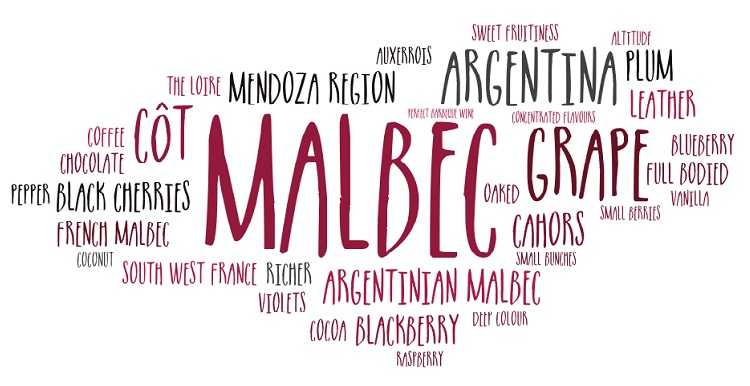
Guide to the Malbec Grape & its wines Malbec, Argentinian Malbec in particular, is one of the most popular red wines in the UK. It was long considered one of the ‘beefiest’ red wines and became a staple house wine for many pubs and restaurants, initially increasing its popularity. That may however have come at a cost as public perception of the quality of Malbec seems to be in decline. This blogpost looks into the reasons for Malbec’s popularity, explores facts about the Malbec grape that account, in part, for the wine’s different aromas & flavours and for the different styles of Malbec wine. It also considers if quality has become an issue for ‘brand Malbec’ and covers which food is best consumed with Malbec. The Malbec grape Although the Malbec grape is the flagship grape of Argentina, it originated in the area of South West France around the city of Cahors, east of Bordeaux and north of Toulouse. It is also known in that area and in the Loire where a little is grown as Côt or Auxerrois. It is still grown around Cahors – in fact any Cahors red wines must have a minimum of 70% Malbec in them. What is lesser known is that Malbec is one of the grape varieties permitted in the red wine appellations of Bordeaux. However many acres of Malbec vines were lost to frosts in 1956 and were not replaced. In addition the grape is fairly susceptible to pests and to frost. For these reasons Malbec is no longer often seen in Bordeaux wines, especially since Merlot (with which, by the way, Malbec shares a parent) is considered a much easier grape to grow. There are also a few plantings in Italy, Chile, Australia and the USA but by far the most Malbec is grown in Argentina. With plantings declining in most other countries, Argentina, especially the Mendoza region, is seen as the Malbec grape’s saviour. In fact it is thought that it might have fallen into oblivion had it not arrived there in the 1860s courtesy of Frenchman, Michel Aimé Pouget, as part of a drive to improve the national wine industry. So successful was the grape that plantings kept on rising so that Malbec has been Argentina’s most widely grown variety since 2011. And in all that time the grape has adapted to the various conditions in different parts of the country. It has been discovered over the years that Malbec grows better in Argentina when grown at altitude. Grapes from cooler higher wine areas have a better chance of retaining acidity and aromas because they ripen over a longer period. One of the advantages of good acidity in wines is that they taste fresher and tend to have better ageing potential. Yields are also lower in the cooler climate at altitude and this can mean better quality wine – although this is a subject of great debate and one to be covered in a later blogpost. Malbec needs to be fully ripened before picking to avoid herbaceous flavours and bitter tannins to which it is prone. Argentinian Malbec has smaller berries and smaller bunches of grapes than French Malbec which that tends to lead to richer, deeper, more concentrated flavours. Malbec styles of wine Malbec wine is often produced solely from Malbec, what is known as a varietal wine. Even varietals can look, smell and taste very different depending upon where the wine was made, what the weather was like and the general terroir of the vineyard. For example, Cahors Malbec or Cot wines used to be known as black wines as they were so deep in colour, mainly due to the thick black skins of the grapes. Whilst tasting of black fruits, often Cahors Malbecs can have a whiff of leather and other savoury aromas and flavours. They were also generally known for being quite high in tannins which meant they could be kept for many years in the same way that many Bordeaux wines can. But there is a tendency in France now to create a softer style of Malbec, perhaps after seeing the success of Argentina’s wines overseas.  With lower tannins and medium acidity most Malbec produced today is not as age-worthy as the older style but good wines like this 100% terroir-focused Malbec from Pyros will keep for about 10 years. Malbec is almost always full-bodied with black fruits being the predominant flavours – see more on the taste below. Malbec also makes for a good blending partner and it is often paired with the more austere and tannic grape, Cabernet Sauvignon. However it can work well with several others for example: Malbec with Merlot as in Bodega Noemia A Lisa  Malbec with Syrah and Cabernet Sauvignon  Malbec with Petit Verdot and Tannat  Malbec with Syrah and Cabernet Franc etc.  Has quality become an issue for Malbec? Malbec did become rather ubiquitous a few years ago; every pub seemed to have one as their house wine which was popular with many red wine drinkers. However, as is often the case with wines that become popular, demand for them fuels a rush to produce more and very often quantity not quality becomes the focus. It is fair to say that many of the cheaper wines (of many grape varieties not just Malbec) are produced from high yields (big crops) of grapes grown in warm climates, often in vineyards on the valley floors. And as has been mentioned, better Malbec tends to come from cooler climate, high-altitude vineyards. The good news is that there is a move away from the more commercial production to higher quality, lower volume wines taking advantage of the myriad of terroirs that the country has to offer.  What Malbec tastes like Malbec is known for its strong and numerous flavours, typically dark juicy fruits like cherries, blackberries and blueberries but other fruit flavours like strawberries raspberries and plums may be present. Sometimes Malbec is described
Matching Chocolate with Wine
Matching Chocolate with Wine You may remember my brief look at the best wines to drink with chocolate as part of my Matching Easter Foods & Wine blog. In this post I delve deeper into which wines pair well with chocolate but mainly with chocolate-based desserts. Whilst wine and chocolate sound as if they ought to go together – after all they are both products with which many of us reward ourselves or in which we seek comfort – I find it hard to imagine sitting down with a glass of wine and a bar of my favourite chocolate or a box of pralines. Perhaps this is because chocolate can a challenge (something I didn’t think I would ever say). Whilst chocolate is a difficult food to pair perfectly with wine, there are some matches that are made in heaven! Why is chocolate so hard to match with wine? Generally speaking chocolate is sweet and wine is naturally acidic which makes it difficult to start pairing the two up. Particularly sweet chocolate will make your wine taste more alcoholic, more acidic and even bitter. And if the wine is red, there is the potential for another almighty clash – with the tannins. Sweet food generally can make tannins in wine seem more prominent and even harsh. Dark cocoa-dominant chocolate which has been becoming more popular in the UK in recent years is a little easier to match but even with that there is a problem. Dark chocolate can be very intensely flavoured and that can simply overwhelm the flavours in the wine you are drinking. And I am only talking about plain chocolate here, not the whole gamut of flavours added to chocolate these days like salted caramel, ginger, nuts etc as these bring a whole host of other pairing challenges with them. There is also white chocolate of course though many would argue that this is not in fact chocolate – but if you are a fan of this type, don’t worry, I give a couple of wine pairing suggestions for that below. Different types of chocolate and wines to drink with them Here are a few suggestions for wines (and other drinks) to that would work with the three main types of our much-loved cocoa-based treat: Milk chocolate and wine The milk-dominant chocolate that is especially popular in the UK (and thought of by some as an imposter) is sweet – and the sweeter something is, the more difficult it can be to match with wine. My tip for all sweet foods is always to pair them with wine that is sweeter. This advice applies here too. So for milk chocolate or lighter but sweet chocolate desserts look to wines like Moscato d’Asti which is sparkling and slightly sweet but also very refreshing. Moscato d’Asti’s acidity helps cut through the sweetness of milk chocolate and creamy chocolate-based desserts. Other wines that could also work well include still wines made from grapes that have been dried and are therefore sweeter like Recioto della Valpolicella or Amarone, a dessert wine like Sauternes or a sweet fortified wine like Vin Doux Naturel or a vin santo. Some say Pedro Ximénez sherry works well but personally – and here’s a hot tip – I prefer a drizzle of PX on a good vanilla ice-cream. Delicious! White chocolate and wine White chocolate is usually even sweeter than milk chocolate so follow the same guidance and find a wine sweeter than the food like the light, slightly sweet but crisp, sparkling wine, Moscato d’Asti already mentioned (also perfect with fruit-based and creamy desserts) or a slightly off-dry Prosecco. Dark chocolate and wine For a good dark chocolate (with minimum 70% cocoa) or a heavier dark chocolate dessert like a ganache, serve port. My tip is always to match heavier, richer dishes with wines with more body so the weight of a good port is perfect. The sweet, fruity and velvety character of a ruby port will work especially well. And if you like nutty & toffee flavours, a tawny port will fit the bill and even enhance the chocolate flavours. You might get away with some still red wines for example a wine produced from Touriga Nacional grapes, one of the main port grapes, or other wines known for their chocolate-like flavours such as a Zinfandel or a Barossa Valley Shiraz. A few other chocolate & wine suggestions Chocolate soufflé, though often made with dark chocolate, is usually lighter and less sweet than some chocolate-based desserts so would match well with champagne, white or rosé, or a sparkling wine like Crémant de Bourgogne made by the champagne method.  For chocolate dishes that include alcohol such as rum, brandy or orange-flavoured liqueurs, serve a glass of that same alcohol to complement the dish.  For chocolate with dried fruit and nuts tawny port or Pedro Ximénez sherry make a great match.  For chocolate with salt e.g. a salted caramel brownie, beware because salt will reduce the acidity of your wine and make it seem quite flat and even flavourless so make sure that you have a wine with good acidity whether a dessert wine, a Prosecco or a Moscato d’Asti.  Chocolate desserts with lots of cream also need wines with good acidity to cut through the fatty cream.  For lighter chocolate puddings with fresh fruits such as raspberries, cherries or strawberries, a light dessert wine or Moscato d’Asti will complement the fruit as well as the sweetness of the pudding.  If the Easter Bunny visits me on Easter Sunday, I’ll stick to a soft drink or a cup of tea with my egg and save the wine till later – I’ll be opening a bottle of good Pinot Noir to have with my leg of lamb. Bon appetit! Cheers! I am passionate about good quality wine and set up Wines With Attitude to share that passion with other wine lovers. If you’re feeling sociable why not follow me on social
Pairing Wine with Chinese Food
Best wines to drink with Chinese Food What are the best wines to drink with Chinese food? There are so many flavours in Chinese dishes – and so many wines to choose from – that it can be daunting. People often just grab the nearest bottle of dry white but that is not always the best choice as this guide to wines that pair best with Chinese food will reveal. Note: I’m talking about Chinese food that we tend to see in Chinese restaurants here in the UK rather than in China itself as that is the extent of my experience – to date. Dry white wine and Chinese food? Traditionally as a nation we Brits tend to veer towards crisp white wines when eating Chinese food perhaps thinking that it will quench our thirst as we eat but lighter wines can be swamped by the numerous, complex flavours. Sometimes a heavier more complex white wine is required to face up to the complexity. There is no reason why we shouldn’t drink red wines with Chinese food but make sure it’s the right sort of red wine. Bear in mind that red wines with higher tannins such as some French Cabernet Sauvignons, will clash with salty food, spicy flavours, vinegary sauces and fatty meat all of which feature in Chinese cuisine. So choose carefully. If you are serving one specific Chinese dish, my first suggestion as with every type of food is to look at the most dominant ingredient in the dish (usually the sauce) and aim to balance its weight or richness with the body of the wine:  Wine For lighter Chinese dishes For Dim Sum, scallops, steamed fish and vegetable dishes (without heavy sauces), dry sparkling wine or champagne is one of the best pairings. But, if you prefer not to open the bubbles, look at serving either Sancerre Pouilly Fumé or Chablis.  All these suggestions lean more to the mineral end of the flavour spectrum rather than towards the fruity or herbaceous flavours of say a New World Sauvignon Blanc which could overpower lighter dishes. Wine for Sweet & Sour dishes  The classic combination of sweet and sour with an off-dry Riesling really does work. One of my other food and wine matching tips is that sweet food should always be served with wine that is sweeter. You could also try a beautiful sparkling Moscato d’Asti which is slightly sweet but also refreshing given its high acidity. But if you really don’t want to go down the off-dry route look at an aromatic dry white such as an Austrian Grüner Veltliner or a fruity rosé. Choose aromatic white wines or a fruity rosé rather than crisp dry white wines which would clash with the vinegar in the sweet and sour sauce. Wine for crispy duck & other duck dishes Either New World Pinot Noir or a fruity Merlot will complement duck perfectly and generally will have sufficient body to match the rich plum sauce. More delicate Pinot Noirs like Burgundy however whilst usually a great match for duck in general may be overpowered by the sauce.  If you prefer to stick to white wine however try an off-dry Riesling or something with a bit of body like a lovely Chenin Blanc with a bit of body.  Wine for strong flavours in Chinese food  GingerA particularly strong flavour which might overpower a delicate wine so again I would suggest an off-dry Riesling or an aromatic dry white such as an Austrian Grüner Veltliner or a Chenin Blanc to stand up to and complement the food.  SatayNot originally a Chinese dish I know but it features on a lot of Chinese menus these days… Satay also needs strong flavoured wine. A Sémillon would go particularly well with the rich texture and the nutty flavours of the peanut sauce.  Strong saucesWhilst heavier red wines can balance stronger sauces such as black bean sauce or dishes such as barbecued spare ribs with sticky sauce, make sure not to choose a red wine with too much tannin. Stick to a fruitier red like a Merlot (as long as it’s low in tannins) or a Syrah or Syrah blend from the New World such as this beautiful Australian Syrah blend.  Wine for hot & spicy Chinese dishes  Very hot spicy foods can dull the taste buds and heat up the body so spicy, slightly sweet wines with good acidity are required. Off-dry Riesling or a sparkling Moscato d’Asti would be ideal.  The heat in the food reduces the wine’s sweetness, the acidity tones down the heat of the food and the weight of the wine balances well with the spicy flavours.  But if of course you chose hot, spicy dishes especially for their heat and spice, steer clear of off-dry Riesling and try a Chenin Blanc or a fruity red or New World Pinot Noir. Fail-safe wines to match most Chinese food  Of course there are many different types of cuisine under the umbrella of Chinese food – spicy Sichuan, more delicate Cantonese and hot Hunan to name just a few – and so it is difficult to make generalisations about the types of wine to drink with it. However if the range of foods being served for your Chinese feast is wide or you just want to make life easy, here are my five fail-safe options:  a sparkling fruity wine like Manoir du Carra’s Crémant de Bourgogne  a non-vintage champagne like my long-time favourite, de Castellane Brut  Patina Chenin Blanc as it has the body, aromatics and acidity to deal with richer dishes  (don’t dismiss this one automatically as it really does go well) an off-dry Riesling like TWR’s Riesling ‘M’ and  for the red wine option a fruity number with low tannins like Main Divide Merlot Cabernet blend.   For more food and wine pairing suggestions, why not take a look at my popular blogpost
Best wines to drink with chilli
The best wines to drink with chilli spice What are the best wines to drink with chilli and other spicy hot food? I’m talking here about chilli-hot food. Your first thought might be to reach for the biggest, heartiest red wine on the wine rack to pair with a hot chilli con carne for example – after all I recommend in my general food and wine matching tips that you think about the matching the structure of the wine and the food aiming to balance the weight or richness of the most dominant ingredient in the dish (often the sauce) with the body of the wine. You would therefore think that a strong flavoured, fuller-bodied wine might be the best choice of wine to drink with chilli. But there are much better wines to drink with chilli, wines that won’t be drowned by or that won’t clash with the chilli as I’ll explain. Why it is hard to find wines to pair with chilli  What got me writing about finding the best wines to drink with chilli is that I was recently thinking about which wine to serve with a particularly fiery tomato sauce. Many people, myself included, have been taking advantage of the ban on visiting restaurants and the extended time at home during lockdown in 2020 and 2021 to dig out long-abandoned recipe books and to look at the ever-increasing array of recipes online to produce meals that are a little different or more adventurous than we would produce in our usually time-poor weekday evenings. A new find was simple and very tasty pork mince burger recipe by Nigel Slater who is one of my favourite cooks, Pork burgers with lime leaves and coriander; burgers are not something I would usually choose to eat – but these are not normal times! The burgers themselves were delicious without any sauce as Nigel recommends them but I decided to add a hot tomato sauce and serve with pasta; the sauce was really very fiery, the chillies being hotter than I thought. Hence my wine choice dilemma…  Chilli is one of those flavours that are notoriously difficult to have with wine. It’s not actually the flavour that is the problem but rather the heat of the chilli; a substance called capsaicin in chillies creates the hot sensation that can feel like it is actually burning the inside of your mouth, your tongue and lips. Quite simply very hot spicy foods can dull the taste buds. The heat of chilli makes many wines taste completely different and usually not very pleasant as subtle complexities and fruit flavours are masked. Wines can seem rather hollow and not at their best. Best wines to drink with chilli Assuming that you want to enjoy the complexities of the wine with your spicy hot food, look for wines with one or more of the following characteristics: Wines with higher sugar This doesn’t mean that you need to drink a dessert wine with your chilli; that would be a little strange. But seek out a slightly sweeter wine than you might usually drink – an off dry white wine with a good slug of refreshing acidity, will make a huge difference because the sweetness of the wine tempers the heat of the chilli – and the heat in the food takes away some of the wine’s sweetness so you will not necessarily notice that the wine is off-dry.  The weight of the slightly sweeter wine also balances well with the chilli and with other spices which is why I also recommend an off-dry wine such as a Riesling or an aromatic white wine that is slightly sweeter like Pinot Gris or Gewürztraminer with your Chinese takeaway (even when it’s not a chilli hot meal). It’s difficult to find red wines that have higher residual sugar levels but as a general rule, lower alcohol wines will be slightly sweeter than wines with 15% ABV. Wines with lower alcohol High levels of alcohol in wine can make spicy hot foods seem even hotter so to mute the heat of chillies look for wines with 9 to 12% ABV. This will mean you have a much bigger choice of white wines than you will of red wines – look to the cool climate regions where grapes are slower to ripen and therefore to convert their sugars into alcohol. German reds and whites would usually fit the bill as would some Loire Valley wines like Chenin Blanc or a Portuguese Vinho Verde and most Proseccos. The slight sweetness and the spritz or bubbles of these latter two wines will also help dispel the heat – see above and below). Wines with low tannins One advantage of tannic wines is that the astringency of tannins can cut through rich or fatty food but the big disadvantage is that tannins accentuate the heat of spicy foods, masking all the flavours of the food and the wine. This is again why white wines, preferably off-dry but even dry white wines, are better partners for hot food than red wines. If it has to be a red wine, make it one that is naturally low in tannins like a Pinot Noir, Dolcetto and Gamay rather than a big tannic Cabernet Sauvignon from, say, Bordeaux. Unoaked Grenache, Zinfandel or Merlot will usually also fit the bill. Younger fruity wines As a general rule younger wines that are not intended to be kept long or have not yet developed huge complexity are better for more elaborate and hotter dishes. Older fine wines with their more complex flavours and texture and in the case of red wines softer tannins are best kept aside for more simple fare. The more fruit-forward nature and lighter body of younger wines, red or white or rosé, balance well with hot chilli flavours. And you could even serve the reds slightly cooler than normal to help with the taming effects of the wine on the heat. An off-dry Riesling or
Best wines to drink with Beef Stroganoff
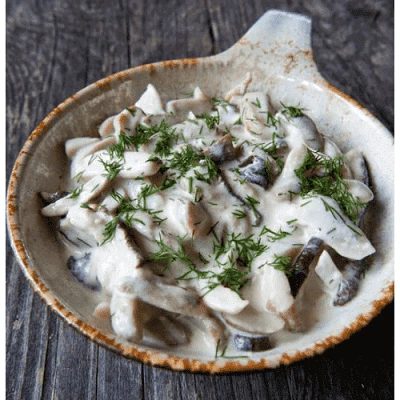
Best wines to drink with Beef Stroganoff Regular readers of my blog will know that I believe the main aim in pairing is to find wines and food that complement each other; one should not overpower the other. There are a number of foods that are notoriously difficult to pair well with food, usually because the food in question has a strong taste that can clash with the wine, making the wine seem bitter or even flat: asparagus, artichoke, vinaigrette, lemons and chilli spring to mind. But sometimes I am blind-sided by what you might think would be an easy dish to pair wine with: most recently this happened to me with beef stroganoff. You might think that the dish calls for a sturdy red since it’s beef, surely the predominant flavour, but the problem with stroganoff – and the same could apply to Mushroom Stroganoff for non-meat eaters and to any other beef dish cooked in a creamy sauce – is that there are several competing foods and flavours which require careful selection of the right wine. Let’s look at why it can be difficult to find a good wine to go with beef or mushroom stroganoff – and which seven wines will work well with them both. Wines for the components of a Beef Stroganoff Originating in Russia and thought to be named after an old wealthy Russian family named Stroganov, beef stroganoff became a popular item on the menu of many restaurants in Great Britain in the 1960s and 1970s and a dinner party staple of the middle classes. Since then its popularity has waned though many modern day chefs have written recipes for beef in cream sauce, a stroganoff by another name. The main ingredients and the wines that you might normally choose with them individually are: beef – this should be a good lean cut since the cooking time is relatively fast and the meat should be tender to eat. Some might be tempted by a bottle of Bordeaux but the tannins and oak are much better suited to fattier cuts of beef. In a stroganoff, there will be some umami flavour from the caramelisation of the meat; these and the lean beef would normally pair well with red wines with low tannins and little oak influence like a Cru Beaujolais. If you feel it has to be Bordeaux, it should be a mature wine where the tannins have softened and the oak influence is well integrated.  mushrooms – these are usually added to a beef stroganoff and can be used as a substitute for beef in a vegan or vegetarian variation of the dish. As mushrooms are an earthy, savoury vegetable, they make some wines seem more acidic and less fruity so my usual instinct is to go for a savoury red wine with lower acidity for most mushroom dishes like a Pinot Noir, a Barolo or a Nebbiolo.  Cream, often sour cream – the fat content of cream sauces can subdue mouth-watering acidity in wine so you need to make sure that you select a wine with good acidity to start with. This will also help cut through the fat and prevent the dish from seeming too rich. Wines that are notoriously good to drink with creamy sauces are rich white wines like white Burgundy, Semillon or a Chenin Blanc.  Mustard is not always added to beef or mushroom stroganoff but it adds a bit of heat and spice and prevents the cream from taking over the dish. Wines that would work with a predominantly mustard-tasting dish would have good acidity to match the acidity in the mustard and relatively high tannins as the mustard will soften them. A wine that’s low in tannins can seem flat and lose its fruity flavours. For predominantly mustard-flavoured dishes you might consider a young Bordeaux, a Syrah or a Sangiovese.  Aside from the above four basic ingredients, other additions may include nutmeg, brandy and also lemon that some people add to cut through the cream in the same way that an acidic wine would. These additional ingredients add further dimensions to the dish – and add further confusion to the wine choice. Which are the best wines to drink with Beef Stroganoff? Cru Beaujolais, young or mature red Bordeaux, Pinot Noir, Barolo, Nebbiolo, white Burgundy, Semillon, Chenin Blanc, Syrah or Sangiovese??? With such a variety of wine suggestions for the main ingredients, where do you start with choosing a wine that will pair perfectly with the dish when the ingredients are all combined? The first thing to think about is the structure or richness of the most dominant ingredient of any dish and try to match that with the structure of the wine. In this instance the cream is the dominant characteristic of the dish, even if only a small amount is added. The cream will make a stroganoff fairly heavy which means that very light wines are not really going to work. The richness of the sauce needs a wine with good acidity as mentioned above – though not too high given the mushrooms. You might not consider drinking white wine with beef dishes but a rich, mature & full-bodied Chardonnay that has acquired a buttery taste and a creamy texture from fermentation and / or ageing in oak barrels really does work well. Semillon or Chenin Blanc would also work but they too must be fairly rich and full-bodied with good acidity as that will cut through the creamy sauce making it seem less fatty. These wines will also complement the umami and savoury flavours of the red meat and the mushrooms.  If you have to have red wine, look to a young-ish fruity red Burgundy or Beaujolais, young because older fine wines with their more complex flavours and softer tannins are better with simple food. Younger wines that are not intended to develop or have not yet developed on the other hand are better for more complex
Fruit & Root days: do they affect how wine tastes?
Fruit & Root days: do they affect how wine tastes? Have you ever wondered why some days a wine tastes great but the next time you open a bottle of the same wine from the same vintage, it tastes really different? There is such a thing as bottle variation usually caused by damage to a seal or cork such that oxygen infiltrates the bottle more quickly making the wine more developed or even faulty. But there is another theory: according to some there are fruit and root days which might affect how a wine tastes. This theory is based upon the lunar calendar and proponents of the theory claim that wine tastes better or worse depending on whether we are on a fruit day or a root day or on a leaf or flower day. There are also many who think this theory is complete tosh. It is probably one of the most controversial issues in the wine trade. So let’s dive into the theory of whether fruit or root days can affect the taste of your wine. THE LUNAR CALENDAR & BIODYNAMIC FARMING As I mentioned in my blogpost on biodynamic wine, planting and harvesting according to the lunar calendar are common although not mandatory in biodynamic farming practices. The theories around the effect of the moon’s cycles on crops have been attributed to Rudolf Steiner, the father of biodynamic farming, but it was in fact Maria Thun, a German farmer who tested his general biodynamic principles in the 1950s and developed them further into a calendar by which farmers should sow, fertilise and harvest their crops to create higher yields of bigger and better quality crop that would last longer. FRUIT DAYS & ROOT DAYS After extensive trials Maria Thun’s sowing and planting calendars were based on her conclusions that the movements of the moon through the constellations of the zodiac had different effects on different types of crops. The lunar cycle lasts for 29.5 days during which time the moon passes every few days in front of the 12 different constellations (I am ignoring recently discovered Ophiuchus, the serpent bearer), each of which is associated with one of the elements, fire, earth, air and water. According to Thun’s calendar: Fruits grow better if planted or sown when the moon is in the constellations associated with the Fire signs of Aries, Sagittarius and Leo; these days are therefore known as Fruit Days. She believed that fruit plants should be fertilised and watered when the moon was waning and the earth inhaling, the soil better therefore for absorbing nutrients and water. According to the calendar fruits should be harvested when the moon (and sap) is rising, preferably on Fruit Days. Root crops grow better if they have been sown or planted when the moon is descending and in the constellations associated with the Earth signs of Capricorn, Taurus and Virgo. Similarly, fertilisation is better when the moon is waning. Harvesting is considered to be better on Root Days. Flowers and flowering plants are in tune with the Air signs of Gemini, Libra and Aquarius and should be planted and harvested on Flower Days. Leafy plants associated with the Water signs of Pisces, Scorpio and Cancer should be sown on Leaf Days and harvested when the moon is waxing. Although Maria Thun passed away in 2012, her family continue publishing her calendar annually. WHAT DOES THE LUNAR CALENDAR MEAN FOR WINEMAKERS As wine is produced from fruit, it is believed that only on fruit days should vines be planted and fertilised, if at all when the moon is descending. Vines should also be pruned during a descending moon when the sap is falling and grafted during an ascending moon when the sap is rising in order to ensure the best fruit. Grapes should be harvested on fruit days if possible but certainly when the moon is ascending. Although not all biodynamic wine producers follow the calendar to the letter, there are many winemakers who use the calendar even if they are not whole-hearted proponents of all biodynamic wine-making practices. FRUIT & ROOT DAYS & THEIR EFFECT ON WINE TASTING Maria Thun took her theories further in 2010 when she first published her calendar for wine drinkers, based on research carried out at her farm. She believed that, since wine itself is a living organism, it is also affected by cosmic rhythms and therefore tastes differently according to the waxing and waning of the Moon and its passage through the constellations. Wine is supposed to taste best on fruit days, favourably on flower days, slightly less good on leaf days and unfavourably on root days. I don’t believe that the calendar’s proponents are saying that on a root or leaf day wine will taste bad (unless you have purchased a really awful bottle of wine!) but just that it will be more closed or slightly duller on those days and more expressive, fruity, more open, on flower and fruit days. FRUIT & ROOT DAYS – MORE MUMBO JUMBO? Of course there are many who say that wine tasting differently according to the moon’s trajectory is plain nonsense. And in fact even some of those who do believe in fruit and root days will admit that most people won’t notice a difference in the taste of their wine. But most trade fairs and wine tastings I attend are planned for fruit days which I don’t believe is a coincidence. But whether the organisers of those events believe wholeheartedly in the cosmic concept or just don’t want to leave the success of the day to chance, I couldn’t say. There have been various studies and experiments to try to prove or disprove Maria Thun’s wine tasting theory, the most recent that I’m aware of being undertaken in New Zealand in 2017. Scientists then claimed to have disproved the theory after research involving 19 wine professionals tasting a number of Pinot Noir wines both on fruit days and root days; the tasters did not know which
Best BBQ wines
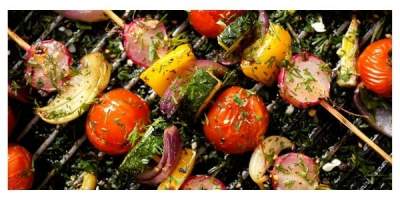
Best Barbecue Wines Sometimes the sun does not really show its face much in the UK in the summer. But when things do warm up it’s time to stoke up the barbecue and invite friends round for a long-awaited catch-up. Rather than the relaxed affairs that they should be, barbecues can sometimes be hard work for the hosts especially if you are trying to prepare something a little out of the ordinary and for a large number of guests. So to give you one less thing to worry about and to save you time I’ve come up with some tips on the best wines to serve with BBQ food. Plus, at the special request of one customer, I’m republishing my easy, time-saving but delicious spicy lamb recipe that you can leave on the heat without too much intervention to give you time to chat with your guests – and to enjoy a nice glass of wine. Wine types to drink with barbecued food Some foods can be difficult to match with wine and smoky or char-grilled flavours mean that barbecued dishes fit that category. In addition we have a tendency to marinate foods for the BBQ in all sorts of sauces and spices, never mind the dressings and dips on the side that we tend to eat with our barbecued meat, fish and vegetables, so there are many flavours on the plate fighting for the attention of your tastebuds. I’m not talking about finding the perfect wine match for BBQs as that would be impossible but I’m making a number of suggestions of wines that won’t be hidden behind the smoke, (hopefully!) gentle charring and the myriad of food flavours. So in general… barbecued food requires wines with intensity so that the wine is not overwhelmed.  Let’s take a look at some suggestions for red, white and rosé wines that would work well with barbecued food. RED WINES FOR THE BBQ Good-all-rounder red wines for the barbecue are Malbec like Pyros Appellation Malbec or, for something really special, Bodega Noemia’s A Lisa and  Shiraz. For example you could try this spicy Australian Shiraz from First Drop or John Duval’s amazing Barossa Shiraz blend, Plexus.  Wines produced from either of these grapes usually have the body, complexity, sweet fruit and spice to cope with highly flavoured food. Read more about Malbec in my Guide to the Malbec grape & wines and for Shiraz, turn to my Guide to Syrah or Shiraz. Or for something similar but less known, why not try a Carmenère from Chile? Make sure this style of wine is not too tannic though as it might clash with fatty meats and sauces.  Find out more about Carmenère in Carmenère: Chile’s signature grape and wine.  And if you prefer a lighter red wine in the summer, the fruity freshness of a cru Beaujolais like Juliénas or Fleurie would help counter any searing and cut through any fat in the meats. Plus lighter reds like Beaujolais would be better than heavier, more tannic reds, with fish and plant-based dishes.  You could also serve the Beaujolais slightly chilled – and if it is a hot day, keep all wines, red, white and rosé, out of the sunshine and heat to keep them fresh. You can find out more about this lovely style of wine in my Beaujolais blogpost. WHITE WINES FOR THE BBQ Many people prefer to drink chilled white wine at a barbecue party especially if the weather is warm and are often tempted by the crispest, driest white wines. However hot spicy rubs can however clash with the razor-sharp acidity of most crisp dry white wines. In order to match the intensity of flavours, others might choose an oaky Chardonnay but the buttery richness is not an ideal style for a sunny day and the oaky flavours can intensify if the wine is consumed with vinegary dressings or marinades. The best white wines to drink at a barbecue therefore are somewhere in the middle of these two styles. Aromatic white wines that combine fresh crispness with intense fruity flavours make better bedfellows with barbecued food so try something like a Picpoul or a fruity Marlborough Sauvignon Blanc as long as it’s not too astringent or a peachy but fresh Albariño. Whichever you choose, keep the white wine chilled but not too cold otherwise you risk masking its lovely fruity flavours. ROSÉ WINES FOR THE BBQ Rosé would make a good all-rounder wine to drink at your bbq. But, rather than the lighter (in colour and style) Provence rosés that most people prefer these days, try to find a rosé that has a bit more body and intensity produced from the Gamay or Pinot Noir grapes like this English rosé wine for example. This style of rosé would work especially well with barbecued vegetable dishes as the extra weight of the wine can handle the smoky food flavours whilst the crispness will allow the vegetable flavours to come through. Alternatively consider serving a sparkling rosé wine or champagne. AN EASY BUT DELICIOUS BBQ LAMB RECIPE To help you chill out at your barbecue this summer I am sharing with you one of my favourite recipes – it’s very easy, I promise. BARBECUED LAMB WITH MERGUEZ SPICES I have adapted a fabulous River Cottage recipe for use on the barbecue – it makes a great change from standard barbecue fare. All credit to River Cottage for the original recipe: I suggest one medium shoulder or leg of lamb (c. 2kg in weight) scored and with excess fat removed. You will need sufficient charcoal on the barbecue to keep the meat cooking for two to three hours.  The spice paste consists: 1 tsp cumin seeds 1 tsp coriander seeds 1 tsp fennel seeds ½ cinnamon stick, broken up 1 tsp black peppercorns A pinch of cayenne pepper or chilli powder 2 tsp sweet smoked paprika 2 garlic cloves, finely chopped Leaves from 2 large rosemary sprigs, finely chopped 2 tsp sea salt 2 tsp olive oil Crush
Easter foods & wine
Easter foods & wine The long Easter weekend is a great time for getting together with family and friends. It’s an excuse to celebrate after the long winter months and perhaps splash out on some great wine and food. There is no one specific Easter dish in the UK so in this blogpost I look at a number of main dishes served up and down the country and make suggestions for wines that will complement if not enhance your Easter dinner, lunch or brunch. Note that it can be difficult to find wines to complement all the different flavours in some dishes. First rule of thumb is to match the richness and weight of the main dish with the body of the wine; so that means richer dishes with heavier, fuller-bodied wines and light foods with lighter wines. WINE FOR EASTER FISH DISHES My local fishmongers tell me that the tradition of eating fish on Good Friday is less adhered to these days but this doesn’t stop them having one of their busiest days of the year on Good Friday. If you are going to have a #FishFriday light crisp wines are usually a good first choice. So try something like a minerally Italian Gavi di Gavi, Sauvignon Blanc or this zesty Spanish Ribeiro.However if rich sauces or stronger flavours like red peppers are served with the fish you would be wise to choose a white wine with more body like a Sémillon or a Chardonnay, oaked or unoaked.One exception is for Poached Salmon where the classic match is an oaked Chardonnay from Burgundy or in the style of Burgundy if served without sauces. Red wine and fish has traditionally been a No-No in the UK but not so much in Mediterranean countries so if you want to try red wine with fish, take a leaf out of their book and choose a lighter, fruity style of red wine – or a rosé such as this amazing English rosé. If you choose to brave cooler weather and are eating outside, bear in mind that cold red wine can taste a little flat so make sure your wine is up to room temperature before you take it outside and put some sort of insulation around the bottle to stop it cooling down too much. The fundamental rule, whatever colour wine you choose is not to overpower the fish. WINE FOR EASTER CHICKEN OR TURKEY Roast chicken and turkey are relatively light but if you are serving either with lots of accompaniments the meal can become rich so bear that in mind. You can serve red or white wine depending on personal preference; for me it would have to be an oaked Chardonnay. If you do decide on red wine, since chicken has little fat in it make sure the wine does not have too many tannins – tannic wines need fattier cuts of meat to help soften the tannins. I would suggest a Cabernet Sauvignon with a bit of age and low tannins, a Pinot Noir or a Rhône or Rhône-style wine. Again if you are having Easter dinner outside and the weather is cool, tannins can seem harsher still, so that’s another reason to go for a low tannin option. WINE FOR EASTER BEEF  Given the guidance above on tannins, the best match for roast beef will also depend on the fattiness of the meat: so choose red wines with lower tannins like a Cru Beaujolais or a mature Claret for less fatty beef and, for a more fatty joint, opt for red wines with more tannins to cut through the richness, for example this elegant lighter Cabernet Franc. WINE FOR EASTER LAMB Roast Lamb is a popular dish for Easter Sunday and as a fattier meat will stand up to a more tannic wines which effectively cleanse the palate. Left Bank Bordeaux wines which are usually Cabernet Sauvignon-dominant will work beautifully or a New World Cabernet or Cabernet-dominant Bordeaux blend but again, try not to serve the wine too cold or to let it get cold as the tannins will seem harsher than usual.  I also find an excellent match in a top Rioja or you could try Priorat for a change, another smooth Spanish wine from the top DOCG qualification level.  If you prefer not to have red wine, then look at Provence rosés or an oaked white wine like a Semillon. WINE FOR EASTER DUCK For duck the classic pairing is Pinot Noir whatever the sauces served with it. But alternatives could include fruity reds from Beaujolais or Italy where the acidity of the wine will cut through the fat. For a special Easter treat, this Morgon which is something of a cult wine has been tried and tested by yours truly as a great pairing with roast duck. WINE FOR EASTER HAM & GAMMON  You should also avoid tannic wines if your dish is salty like roast ham or gammon although sweet glazes on the meat can counter this clash to some extent. I suggest an off-dry style of Riesling or oaked Chardonnay and for red wine, a fruity red such as Cru Beaujolais or a Rhône or Rhône-style Grenache, Syrah, Mourvèdre (“GSM”) blend.  WINE FOR EASTER VEGETARIAN & VEGAN DISHES There are so many options for vegan and vegetarian food that it is impossible to generalise on the best wine; as a guideline think about the sauces and strong flavours of the dish and make sure you select a wine that won’t overpower delicate flavours and that won’t be masked by stronger flavours.If you decided to go for a traditional nut roast, you will need a full-bodied white such as Chenin Blanc, Sémillon or an oaked Chardonnay as it can be quite rich or a fruity red wine such as a Cru Beaujolais. Vegetable dominant dishes generally match well with Sancerre but creamy sauces need something less crisp like Chenin Blanc or a New World Chardonnay.  Mushrooms need a wine that’s quite earthy and you will find Pinot Noir or an oaked Chardonnay to be the perfect partner. AND WINE FOR CHOCOLATE! And as it’s Easter a brief mention of chocolate… one of the most difficult foods with which to pair wine. My absolute current favourite is Weingut Turk’s ice wine or eiswein which will go with all types of chocolate. It’s sweet but with lovely fresh acidity to balance the sweetness. For
What does acidity in wine mean?
WHAT DOES ACIDITY IN WINE MEAN? This Wines With Attitude guide covers everything you need to know about acidity in wine – how you taste acidity in wine, what causes it, which wines have high acidity and which are low in acidity, whether high or low acidity is better plus tips on matching high acid wines with food. Wine writers use the word “acidity” frequently – I know that I write the term often in my Wines With Attitude tasting notes. Conscious that some consumers may be wary of the words “acidity” or “acidic”, I try to vary the words I use to describe wines displaying acidity so you will see terms such as fresh, bright, zesty, zingy, refreshing, tangy and crisp though whether these really convey the true meaning could be debated. It is simply difficult if not impossible to avoid using “acidity” because it is one of the essential components of a good wine. So, if we can’t avoid the term, let’s find out more about it. HOW TO TASTE ACIDITY IN WINE Acidity is not a taste as such (if your wine tastes of acid then you have a problem) but it can be detected by a tingling sensation on the sides of the tongue. When you taste a wine with high acidity such as a Sancerre, your mouth will water more than usual – just as it does when you bite into a sharp Granny Smith apple or drink unsweetened lemonade. It whets the appetite, making you want to take another bite or sip. WHAT ACIDITY ADDS TO WINE structure and longevity; a wine low in acidity is less likely to age well stability by helping to keep bacteria and microorganisms at bay colour; the more acid, generally the more stable, intense and more vibrant the colour flavours; just as lemon can lift flavours in fish, acidity makes wine refreshing or crisp and leaves you wanting more similarly, acidity can sharpen the aromas of a wine.  Hot tip: Tannins and acidity in particular can clash so avoid wines with high levels of both WHAT CAUSES ACIDITY IN WINE? Acidity is naturally present in grapes as it is in many foods and different varieties have different natural levels of acidity – Nebbiolo and Sauvignon Blanc for example are at the high end of the scale and Grenache and Viognier are at the low end. The level of acidity is also affected in the vineyard by soils, location and the weather or vintage. The level of acidity in grapes first increases but then declines as the grapes ripen on the vine and the level of sugar rises. It is therefore key to the natural balance of a wine that grapes are picked at the right time i.e. when acidity and sugars are at “optimal” levels. Why? Well, if acidity falls too much, a wine could be considered flat or “flabby” with dull flavours and a higher susceptibility to spoilage and infection. Too much acid can make a wine seem too sharp or even bitter. It is all a balancing act for the winemakers as they also need to consider fruit flavours, sugar and therefore alcohol levels. Winemakers might be tempted to adjust the acid (or the sugar- or both) and are generally permitted to do so within the boundaries of local regulations. Acidification, generally by the addition of tartaric acid, the most dominant acid in grapes, can be undertaken to increase acidity in warmer climate areas but can result in poorly made wine, especially where the adjustments are made post fermentation where the added acid has less chance to blend with the wine. A good taster can often recognise poor acidification as there is a very artificial acidic taste to the wine. Acidity is usually naturally lowered by malo-lactic fermentation or secondary fermentation, a process often encouraged by winemakers as it softens the acidity, converting malic acid into lactic acid and carbon dioxide. Deacidification may also be permitted by adding a carbonate – and though acid levels are reduced this can leave calcium tartrate crystals in the wine. These crystals are harmless but can deter some consumers from buying or drinking a wine. One type of acidity in wine that is not desirable is volatile acidity, essentially acetic acid or vinegar. A small amount is produced during fermentation but it increases in a wine exposed to air and in large quantities spoils the wine. Hot Tip: If you smell vinegar or nail polish remover in a wine, send it back WHICH WINES HAVE HIGH AND WHICH HAVE LOW ACIDITY? I could get scientific and talk about measuring total acidity and pH levels in wine but I’ll keep it short and just say that wines generally have a pH between 3.3 and 3.7 which sits in between black coffee with a pH of 5.0 and orange juice with a pH of 3.0. Few wines therefore are more acidic than a glass of your morning orange juice. But which wines should you opt for if you prefer to avoid those wines – here are a few tips: Hot tip: White wines tend to have higher acidity than red wines Almost all red wines undergo malo-lactic fermentation to convert harsh malic acid to softer lactic acid but not all white wines do; for example producers tend not to use MLF for Sauvignon Blanc but for producers of white Burgundy it is essential for the style. Lighter style red wines tend to have higher acidity than heavier, more full-bodied reds. As mentioned above as grapes ripen the level of acidity in them increases but then declines as the level of sugar rises. In cool climate areas such as Burgundy vines can struggle to ripen fully so grapes generally have higher acidity and lower sugar. Conversely grapes grown in warmer climates tend to have low acid and high sugar. Hot tip: Cool climate wines tend to have higher acidity than wines from warmer regions Very dry wines tend to have good acidity but this does not mean that
The Best Wines to Drink with Asparagus
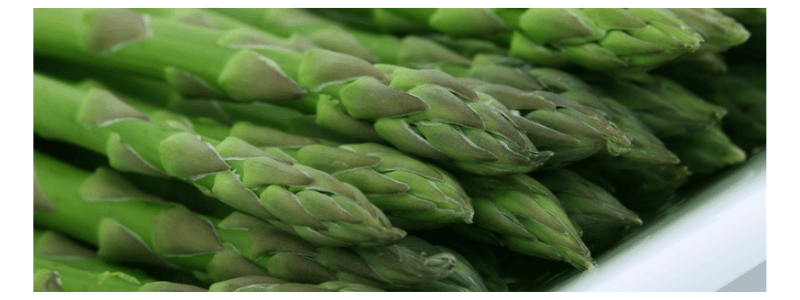
Best wines to drink with asparagus Asparagus is one of those foods that are notoriously difficult to pair with wines; others include artichokes, vinaigrette, lemons and chilli. So difficult is it to find the best wines to drink with asparagus and not be overcome by its unique and slightly bitter taste, that some wine writers will advise not to drink wine at all with it. But there are wines that will create a good pairing with this much aligned vegetable – it’s just a matter of looking at the characteristics of asparagus, what it is being cooked with and how the taste might change with different wines in order to find the best wines to drink with asparagus and asparagus-based dishes.  Why asparagus is so difficult to match with wine As I am sure you are aware, green asparagus which is more commonly eaten than white asparagus in the UK, has a strong and quite distinctive flavour. This is the first problem when trying to find wines to pair with it as that strong flavour should not overpower the taste of the wine. We should therefore aim for wine with a fairly powerful taste. The strong asparagus flavours are vegetal, some might even describe them as grassy, which is not surprising as they come from chlorophyll which develops as the asparagus pokes out of the soil until it reaches around 20cm in height when it is harvested to meet the increasing appetite for it. These green flavours can make wine taste bitter and acids in the chlorophyll can give the wine a metallic edge; wine with low acidity and with predominantly fruity rather than vegetal flavours could clash. And then there is a slight bitterness on the finish of the asparagus itself which will emphasise any bitterness, tannins and oak flavours in wine. A fairly strong-flavoured wine with high levels of acidity and vegetal flavours, no bitterness, low tannins and subtle or no oak flavours sounds like it will be the best option. This is why Sauvignon Blanc is usually the first suggestion and sometimes the only suggestion to drink with asparagus – and if you like your asparagus steamed or gently boiled with no other accompaniments, then Sauvignon Blanc is ideal. If you are not a Sauvignon fan, then opt for a crisp Austrian Gruner Veltliner as its profile is more vegetal than fruity. Often however asparagus is just part of a dish rather than the main attraction and so let’s consider various asparagus-based dishes and tackle them individually because the other ingredients need to be given consideration when choosing your wine; a top tip is to consider the most dominant component of a dish and use that to match with wine. WINE WITH ASPARAGUS AND BUTTER There is nothing nicer, in my view than the first asparagus of the season steamed or boiled just until ‘al dente’ and served warm with butter melting on top of it. You might be tempted to reach for that Sauvignon Blanc which meets all the criteria above but the richness of the butter adds another dimension and needs a wine that is also fairly rich and less acidic than a Sauvignon Blanc. Consider a Chardonnay with good acidity as the fat in the butter could dilute any crisp acidity in the wine and make sure it is an unoaked or lightly oaked Chardonnay as a strong oak influence could clash with the bitterness of the asparagus. WINE WITH ASPARAGUS AND HOLLANDAISE SAUCE Hollandaise is a classic sauce to accompany asparagus; made from egg yolks, butter and lemon juice, it’s rich and so needs a wine with refreshing acidity to cut through that richness. In this instance I find champagne is the best option or a Chardonnay – even a full-bodied Chardonnay that has seen oak but only as long as it has the necessary crisp acidity. WINE WITH ASPARAGUS SOUP Usually made with cream and some sort of stock, asparagus soups can potentially be very rich so again a richer wine makes more sense than a Sauvignon Blanc as long as it’s not so overpowering that you will lose the delicate flavour of the asparagus. I would suggest an Austrian Gruner Veltliner which has a sharp acidity and is generally pretty food-friendly but especially for dishes with a lot of herbs and green vegetables. WINE WITH ASPARAGUS RISOTTO A creamy asparagus risotto or a creamy vegetable risotto where the distinctive flavour of asparagus dominates needs a wine which combines a bit of body and good acidity so a Sauvignon Blanc could work as long as it has body or consider this white Rioja which, unusually is composed of 50% crisp Sauvignon and 50% Tempranillo Blanco for the body. A cool-climate Pinot Grigio or Pinot Bianco would also work well. Top tip – if your plant-based risotto also contains mushrooms, you could choose a light unoaked red wine. As they are a more savoury vegetable, mushrooms can make some wines seem more acidic and less fruity so a savoury red wine with lower acidity like a Pinot Noir or a Nebbiolo would be ideal. WINE WITH CHAR-GRILLED ASPARAGUS Similarly adding the savoury bite of char-grilled or barbecued asparagus would be well-suited to a light red wine. A fruity red with quite intense flavours would be ideal but a wine with high tannins should be avoided as they could emphasise the char-grilled nature of the asparagus. Again a light Pinot Noir would work or a fruity Bardolino. WINE WITH ASPARAGUS WRAPPED IN HAM If serrano or a similar dried cured ham is wrapped around asparagus, another key element comes into play and that is salt. Highly tannic wines would clash with the saltiness and make the ham and the wine taste metallic so it is best to stick to white wine like a crisp white Rioja. WINE WITH ASPARAGUS VINAIGRETTE A double-whammy here with the vinegar in the dressing also a major consideration and probably the most dominant taste of the dish – but you also need a wine to make the asparagus shine through. Sauvignon Blanc’s acidity could